Tattoo Sleeve Mistakes That Can Ruin Your Design
5 Common Mistakes People Make When Getting a Tattoo Sleeve (And How to Avoid Them)
Don't always trust your artist.
In South St. Louis, tattoos aren’t just decoration—they’re identity. You see it walking down Cherokee Street or sitting at a coffee shop near Tower Grove: full tattoo sleeves telling stories of heritage, art, loss, transformation, and pride. This part of the city has always had a creative heartbeat, and Ragtime Tattoo Shop lives right in the center of it—where tattooing isn’t about flash trends but about craftsmanship, storytelling, and collaboration.
That’s especially true when it comes to large-scale work like tattoo sleeves. A sleeve is a cohesive piece of artwork that flows with your body, carries personal meaning, and stands up to time. It’s also a major investment—financially, creatively, and in terms of trust. Which is why one of the biggest frustrations we see at Ragtime Tattoo Shop is when clients come in after a rushed or poorly planned sleeve done elsewhere, asking if it can be “fixed.”
The truth? A sleeve doesn’t have to be complicated—but it does have to be planned. And while there’s no single right way to build one, there are plenty of wrong ones.
If you’re thinking about starting your sleeve—or you’re already midway through—this guide breaks down five common mistakes people make when getting a tattoo sleeve and how to avoid them. Each one comes from real experience, both ours and what we’ve seen in the South St. Louis tattoo community over the years.
Mistake #1: Rushing the Process and Not Planning
Hands down, the most common mistake people make when starting a sleeve is rushing in. You wouldn’t build a house without a blueprint, but a lot of tattoo sleeves start exactly that way—one random tattoo at a time, with no clear structure or flow.
The adrenaline of getting fresh ink makes it easy to say “let’s start with something cool and figure out the rest later.” But as your sleeve expands, those spontaneous pieces often clash. The background doesn’t connect right, the spacing feels off, and the story gets lost. A custom tattoo sleeve should feel like a single, unified piece of art, not a gallery of unrelated designs.
At Ragtime Tattoo Shop in South St. Louis, every large-scale project starts with a consultation and—just as importantly—a long-term plan. We work with you to map out shape, placement, composition, and future growth. That might involve sketching out the entire sleeve from shoulder to wrist, or at least developing a consistent theme so each new tattoo blends naturally with what’s already there.
If you want your sleeve to look cohesive five sessions (or five years) from now:
- Start with an overall vision.
- Choose styles and motifs that flow.
- Build from large to small—backgrounds last, not first.
Slow down, plan ahead, and trust the process. A strong custom tattoo takes time—and patience pays off in every clean line and consistent transition you’ll see later on.
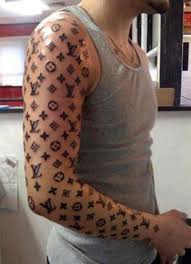
Probably not the most thought-out sleeve.
Mistake #2: Picking the Wrong Artist for Large Work
The next pitfall is just as avoidable but often overlooked: choosing the wrong artist for a sleeve. Not every tattooer—no matter how talented—is experienced in large compositions. There’s a huge difference between being great at small walk-in tattoos and having the structural understanding to design a connected, body-flowing sleeve.
When clients walk into Ragtime Tattoo Shop after having work done elsewhere, one of the first things we can often see at a glance is whether the original artist had a plan for scale and proportion. A sleeve isn’t just a collage of cool images. It’s an architectural problem in ink—balancing negative space, symmetry, movement, and focal points. That’s a learned skill that comes only from years of doing big, connected pieces.
Choosing an artist is like picking an architect for your body:
- Look for experience with full sleeves. Ask to see healed examples, not just fresh photos.
- Study their portfolio carefully. Does each sleeve have flow? Or do the pieces feel disconnected?
- Communicate clearly. A good artist should ask questions about your personal meaning, goals, and timeline.
At Ragtime Tattoo Shop, our South St. Louis team includes artists who specialize in custom, large-scale work. That means understanding how to plan long-term—from your first outline to your final shading session. A properly structured sleeve doesn’t just look good when it’s new—it continues to look intentional and balanced decades later.
Choosing the right artist isn’t just about liking someone’s Instagram portfolio. It’s about trust, communication, and experience. Picking an artist trained in custom sleeves saves you time, money, and frustration—because correction work is far harder than getting it right from the start.
Mistake #3: All Background, No Image
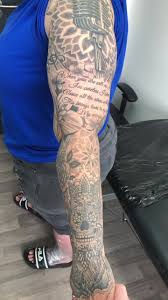
Fuck planning, let's just go for it...
A subtle but common problem we see in unfinished or overblended sleeves is this: too much background, not enough main subject matter.
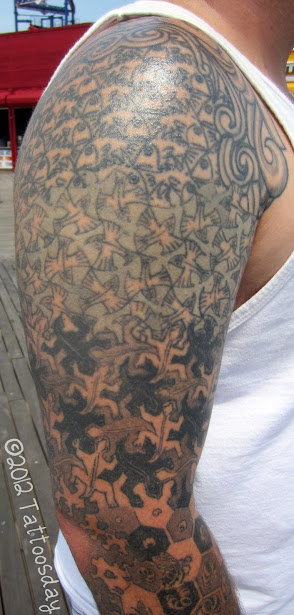
You’ve probably seen it before—a forearm covered in smooth grey shading clouds or decorative filler, but with no clear visual anchors. The overall tattoo ends up looking cloudy or “muddy” instead of bold and defined. That happens when background consumes the space that should belong to your focal imagery.
The key to any great tattoo—especially a sleeve—is contrast. Contrast between light and dark, large and small, focal and filler. Without that dynamic structure, nothing stands out, and the eye doesn’t know where to land.
At Ragtime Tattoo Shop, we approach sleeve design exactly the way a painter approaches composition. The background exists to frame and support the main elements—not to drown them. Whether your sleeve features realism, black and grey, Japanese motifs, or Neo-Traditional imagery, the image hierarchy stays consistent: strong subjects first, smart filler second.
If you’re planning your sleeve:
- Identify two or three primary subjects (like a woman’s portrait, an animal, or symbolic objects).
- Use the background—smoke, clouds, waves, leaves, or geometry—to connect them, not overwhelm them.
- Make sure each element sits at a different depth, giving the sleeve spatial flow.
That balance is what makes a sleeve feel alive and dynamic rather than heavy or overworked. It’s a key reason experienced sleeve artists in South St. Louis—especially at Ragtime—spend time sketching composition first rather than “winging it” on skin.
Mistake #4: Changing Style Midway (“Adding Color Later”)
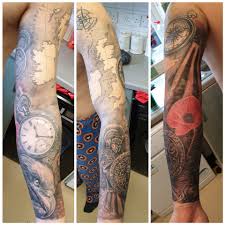
Someone vomited on this arm.
Another surprisingly common mistake: starting a sleeve in black and grey, then deciding halfway through to “add color later.” It sounds harmless—until you try to mix two fundamentally different techniques on the same canvas.
Black and grey tattooing builds depth using diluted tones of black ink. It relies on light contrast and skin tone for atmosphere. Color tattooing, on the other hand, is opaque, layered pigment that occupies that same tonal space. Once you introduce color to an existing black and grey piece, it often clashes or muddies, ruining the balance the artist originally designed.
That’s not to say mixed styles can’t work—they absolutely can—but only when planned intentionally from day one. Trying to “add color later” to a sleeve that was designed for monochrome usually leads to mismatched saturation, uneven blending, and a stylistic disconnect that’s nearly impossible to fix cleanly.
At Ragtime Tattoo Shop, our experienced artists walk South St. Louis clients through these long-term design implications before the needle ever touches skin. We help you choose a direction (color, black and grey, or hybrid) and build your custom tattoo from that foundation.
Here’s what we tell clients up front:
- A black and grey sleeve is timeless, elegant, and age-resistant.
- A color sleeve can express energy and individuality but requires fuller commitment to saturation and maintenance.
- Mixing both is possible, but only if the layout and color-story are intentional.
Whichever direction you choose, the key is to decide early and stay consistent. Treat your sleeve like the full-body artwork it is, and it will age beautifully for decades to come.
Mistake #5: Creating an Uninspired, Overdone Sleeve
If there’s one pattern that repeats too often in tattoo trends, it’s this: the same lion, clock, and rose combination that’s been replicated thousands of times on Pinterest and Instagram. It’s not that those elements can’t be beautiful—they often are—it’s just that by themselves, they’ve become impersonal.
A tattoo sleeve is your story, not a collage of popular motifs. The main reason so many sleeves look interchangeable is the absence of intent. Without narrative or individual meaning, even technically perfect tattoos end up looking generic. That’s especially common among clients who bring in reference photos instead of original ideas.
At Ragtime Tattoo Shop in South St. Louis, our philosophy is simple: we design tattoos with you, not just for you. Your experiences, beliefs, and aspirations shape the design. Whether you’re into mythological imagery, personal symbolism, cultural references, or modern minimalism, we start with your story.
Here’s how to avoid a cookie-cutter sleeve:
- Skip the Pinterest board trend piles—think about what represents you.
- Combine personal elements with stylistic originality.
- Collaborate with your artist; they can translate abstract emotions into visual language.
- Choose a theme that allows growth (so future additions make sense).
Custom tattoos—especially sleeves—should feel personal enough that they couldn’t belong to anyone else. That’s the magic of a custom tattoo artist: they take what you imagine and build it into something permanent that still feels alive.
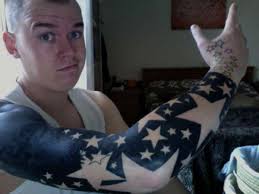
Stars anyone?
Bonus Tip: Think About Lifestyle, Not Just Design
While design is key, your lifestyle also determines what kind of sleeve will work best. Are you outdoors often? Do you work in an environment with sun exposure, gloves, or frequent moisture contact? These details affect how your tattoo heals, ages, and fits practically into your daily life.
In South St. Louis, where summers are humid and people stay active, tattoo aftercare and longevity matter. At Ragtime Tattoo Shop, we guide clients through all aspects of large-tattoo maintenance—cover-ups, touch-ups, and realistic expectations for wear and rehydration. A great design deserves great long-term health.
A sleeve only looks exceptional if you take care of it—consistent sunscreen, moisturizer, and patience through every healing stage.
Building Your Custom Tattoo Sleeve at Ragtime Tattoo Shop
If you’re ready to commit to a sleeve, here’s what the process looks like at Ragtime Tattoo Shop, step-by-step:
- Consultation: You share ideas, photos, inspirations, and intentions. The artist helps narrow it into a visual concept.
- Design Planning: Rough sketches and mockups show how elements will flow. For large projects, we map the sleeve anatomically to fit musculature and motion.
- Scheduling: Sleeves usually take 3–8 sessions, depending on complexity, coverage, and your skin’s healing rate.
- Execution: The artist starts from major outlines and focal points before layering shading and background connections.
- Aftercare & Review: Post-session guidance ensures long-term healing and clarity. Adjustments happen once the full sleeve settles.
Every step is personal. We don’t copy templates—we build tattoos that belong only to you. And because we specialize in custom tattoos and full sleeves, clients from across South St. Louis and beyond come to us for detailed planning and consistency.
Final Thoughts: Patience, Planning, and Personalization
A tattoo sleeve isn’t just another tattoo—it’s an evolving relationship between vision, artist, and time. When done right, it becomes part of your identity and your body’s story. When rushed or poorly planned, it becomes a frustration you’ll spend years trying to fix.
Avoid the mistakes most people make:
- Don’t rush the process.
- Pick an artist experienced in large-scale custom work.
- Keep image and background balanced.
- Don’t mix styles midstream.
- And most importantly, make it personal.
At Ragtime Tattoo Shop in South St. Louis, we’re here to make sure your sleeve isn’t just big—it’s meaningful, cohesive, and built to last a lifetime.
If you’re ready to start planning your own tattoo sleeve or want to talk through your ideas with a local artist who actually listens, today. Bring your vision, your story, and your questions—we’ll bring the craft, design experience, and honesty to make it real.
Because at the end of the day, the best tattoo sleeve isn’t the one that copies everyone else’s; it’s the one that can only be yours.
Ready for your next tattoo?
Our goal is to reply as soon as possible. On weekends, we may follow up on the first business of the week.
Ragtime Tattoo Shop
Located at 3144 Morganford Rd. St. Louis, Missouri
Stay updated with our latest work and what’s happening in the shop.