
What did my Artists Say??
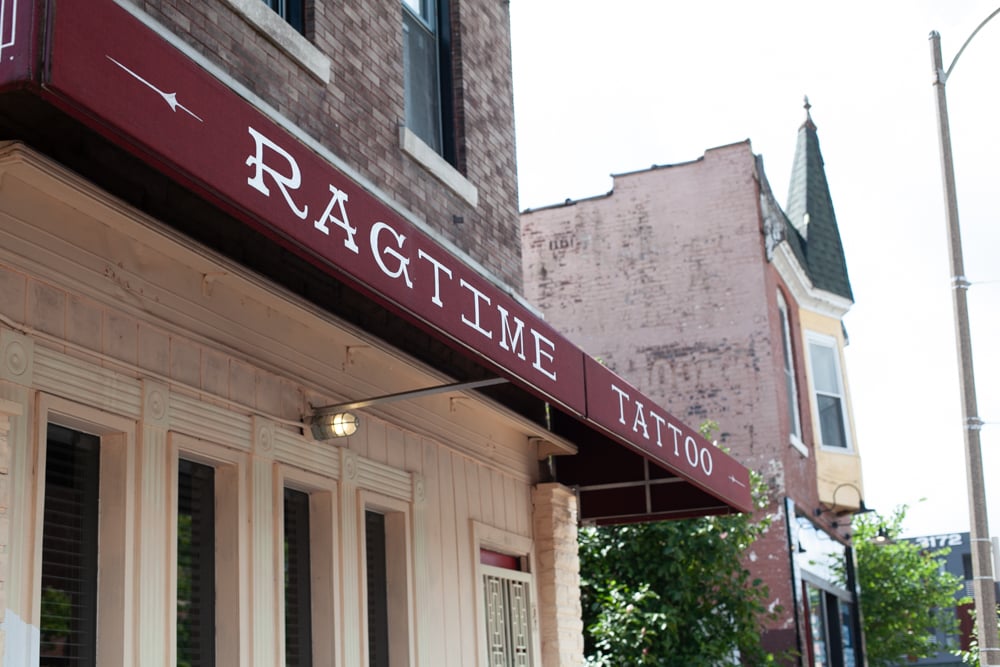
Tattoo Jargon Explained
Tattoo Terms Aren’t Just for Tattooers
A clearer conversation leads to a better tattoo.
I was trying to understand a medical bill I received, but I was lost. I didn't know any of the codes, jargon, or definitions I was reading. It might as well have been written in Swahili. That’s when I realized, “I wonder if our clients feel the same way?”
When you come into a studio and words like “packing” or “whip shading” are getting tossed around, it can feel like there’s a gap between what you and the shop. The tattoo industry has become so accustomed to speaking to itself that it has forgotten not everyone shares the same language.
This blog isn’t meant to teach you how to tattoo. It’s intended to give you a clearer footing as a client, especially if you want a more collaborative process, or if you're booking time with someone who specializes and you want to get the most out of that appointment.
Why Knowing the Terms Helps
Here’s what happens when communication is clear:
- You explain what you want more accurately.
- Your artist doesn’t have to guess what “clean but bold but soft” means.
- Collaboration occurs more efficiently when both parties understand each other.
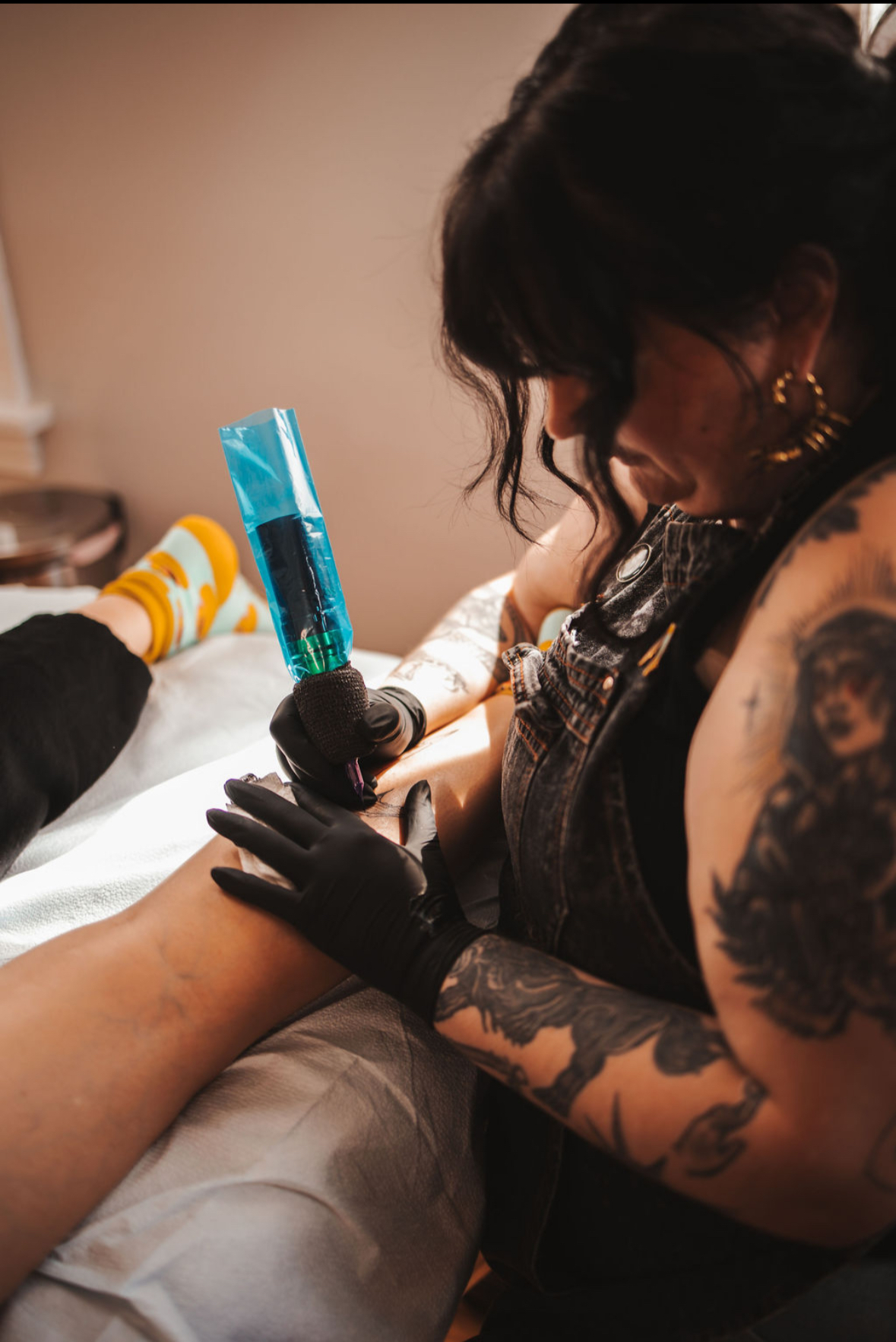
Ragtime Tattoo Artist: Grace Hanser
A Few Core Terms Worth Knowing
You’ll hear these words in most tattoo conversations, whether you're doing a small walk-in or planning a multi-session sleeve:
-
Lining
– The outlines of your tattoo. It’s the skeleton, the rest is built on. We recommend black because it creates a barrier around the color, helping to keep your tattoo vibrant.
-
Shading
– Adds depth and form. Can be soft or dramatic. There are many techniques to shading. Terms like “Whip Shading”, “Smooth Shading”, and “Stipple Shading” help define the effect.
-
Packing
– Solid, saturated color. Imagine dumping marbles onto a cookie sheet. You need to add enough marbles until you no longer see the metal of the sheet.
-
Whip Shading
– A technique where the machine moves in a curved, flicking motion to build soft gradients. It leaves a beautiful texture.
-
Stippling
– Uses a series of dots to create shading or texture. You’ll see this in dotwork or specific blackwork designs.
-
Large work
- When the design cover entire parts of the body
-
Banger or Oneshot
- when the design can be completed in one tattoo session.
-
Body Flow
- The natural lines on your body that move smoothly when you bend or stretch. Think of pinstiping a car. You need to follow the lines of the car’s body when you paint them.
-
Contrast
- Using techniques in the design to bring attention to one area while pushing another area back.
-
Legibility
- This is important because if you can't read what a tattoo is or understand what the design is trying to convey, it's a failure.
-
Fall out
- When the tattoo ink is pushed out during the healing process. This isn't your fault. Several factors contribute to this outcome. (This is overly simplified, but that's about what happens.”
-
Touch-up
- Something happened during the healing process that made the tattoo ink appear off. Scabs come off too soon, or maybe that part of the body needs two passes. Elbow and Finger tend to need two passes.
-
Mellow or Settle
- Ink is small granules, like the shape of salt. Think of a pile of salt on a table. Bang the table until the salt forms a smooth layer. This is a simplified explanation of what happens to you tattoo when it settles.
Again—this is reference, not study material. Just enough to be on the same page with your artist.
Why We Don’t Always Explain It All Up Front
Most artists aren’t trying to gatekeep. We’re just used to working quickly and internally. If you’ve been tattooing for years, it becomes second nature to say “we are going to bang this out in one shot” or “this black is going to need a second pass when it settles” without stopping to define it.
However, some of the best sessions occur when the client is actively involved, not just present. That doesn’t mean directing every detail. It means there’s enough mutual understanding that we’re working together, not at odds.
The Bigger Picture
We don’t expect you to be familiar with these industry terms. You're going to be getting tattooed by us for a long time. You will pick up a few along the way. We wanted to make this blog to help with collaboration and to remind ourselves to talk more human.
Good communication means fewer surprises, better collaboration, and less frustration on both sides.
Ready for your next tattoo?
Our goal is to reply as soon as possible. On weekends, we may follow up on the first business of the week.
Ragtime Tattoo Shop
Located at 3144 Morganford Rd. St. Louis, Missouri
Stay updated with our latest work and what’s happening in the shop.