Why Small Tattoos Are Coming Back into Style
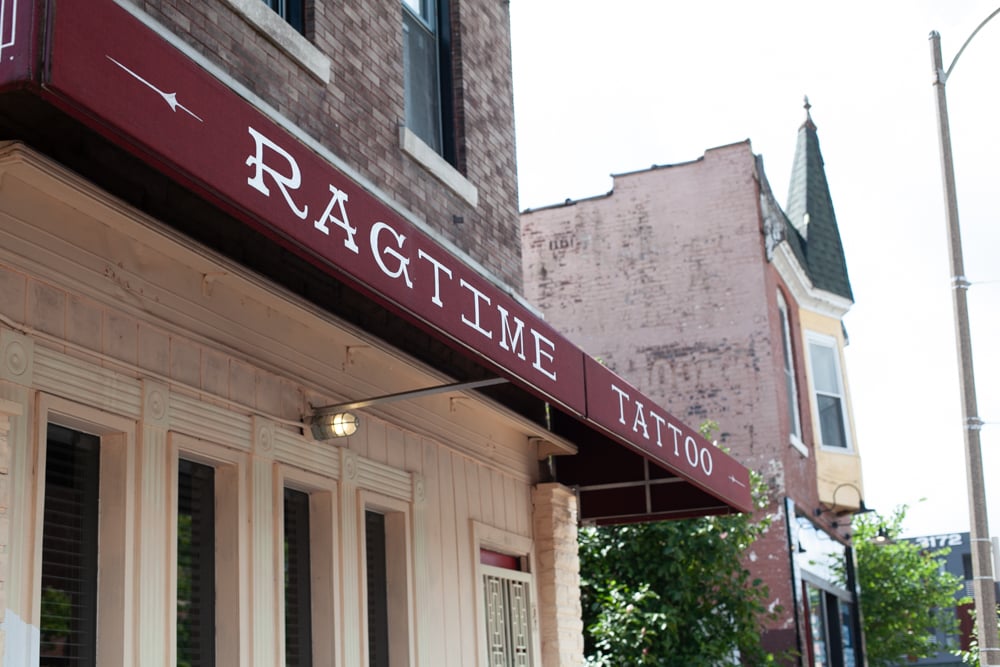
Small Tattoos: Exploring 2025 Trends, Personal Meaning, and Minimalist Appeal
Why Small Tattoos Are So Popular in 2025
Small tattoos—often called micro tattoos, fine line tattoos, or tiny tattoos—are compact pieces of body art that focus on precision, negative space, and personal meaning. In 2025, their popularity reflects changing aesthetic tastes, technical advances, and cultural shifts toward minimalist self-expression.
Many people want meaningful tattoos but hesitate because of permanence, visibility, or workplace norms. Small tattoos solve that tension by offering low-commitment designs with high emotional value. They feel intentional without being overwhelming.
This guide explains why small tattoos are trending, how fine-line and microrealism techniques affect results, and what beginners should know before getting one. Throughout, terms like small tattoo, fine line tattoo, micro tattoo, minimalist tattoo, and tiny tattoos are used naturally and intentionally.
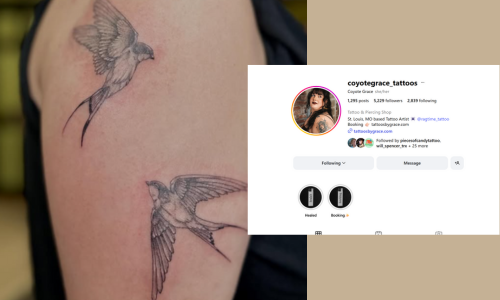
@coyotegrace_tattoos
What Makes Small Tattoos So Popular in 2025?
Small tattoos are defined by simplicity, clean execution, and modern aesthetics. Their rise comes from a blend of minimalism, refined tattoo techniques, and social influence.
These tattoos work well with everyday life. They pair easily with fashion, remain subtle in professional settings, and allow for flexible placement. Artists have also improved their ability to create crisp, detailed designs at a smaller scale.
This section highlights the principal reasons small tattoos have regained momentum in 2025.
1. Minimalist Aesthetic:
Small tattoos align with the broader minimalist movement in design and fashion, favoring simple, elegant marks.
2. Lower Commitment:
Tiny tattoos reduce perceived long-term risk and make starting with less intimidating.
3. Faster Sessions:
Shorter appointment times and quicker healing make small tattoos practical for busy lifestyles.
4. Social Amplification:
Instagram and TikTok formats favor shareable close-ups, turning micro motifs into viral templates.
5. Personal Intimacy:
Small tattoos serve as private reminders or subtle identity markers rather than large public statements.
These reasons together explain the recent surge and prime the discussion of how minimalism and technique specifically drive the small-tattoo aesthetic.
How Does the Minimalist Aesthetic Drive Small Tattoo Appeal?
Minimalist tattoos focus on clarity and restraint. Instead of filling space, they rely on clean lines, intentional spacing, and simple forms.
A small design can communicate just as much meaning as a large one. By reducing visual noise, the symbol itself becomes the focal point. This makes minimalist tattoos easy to style and less likely to feel dated over time.
Common minimalist examples include:
-
Single-line florals
-
Tiny geometric shapes
-
Minimal script or symbols
This aesthetic works especially well for tattoos meant to age gracefully and remain subtle.
Why Are Fine Line and Micro Tattoos Leading the Trend?
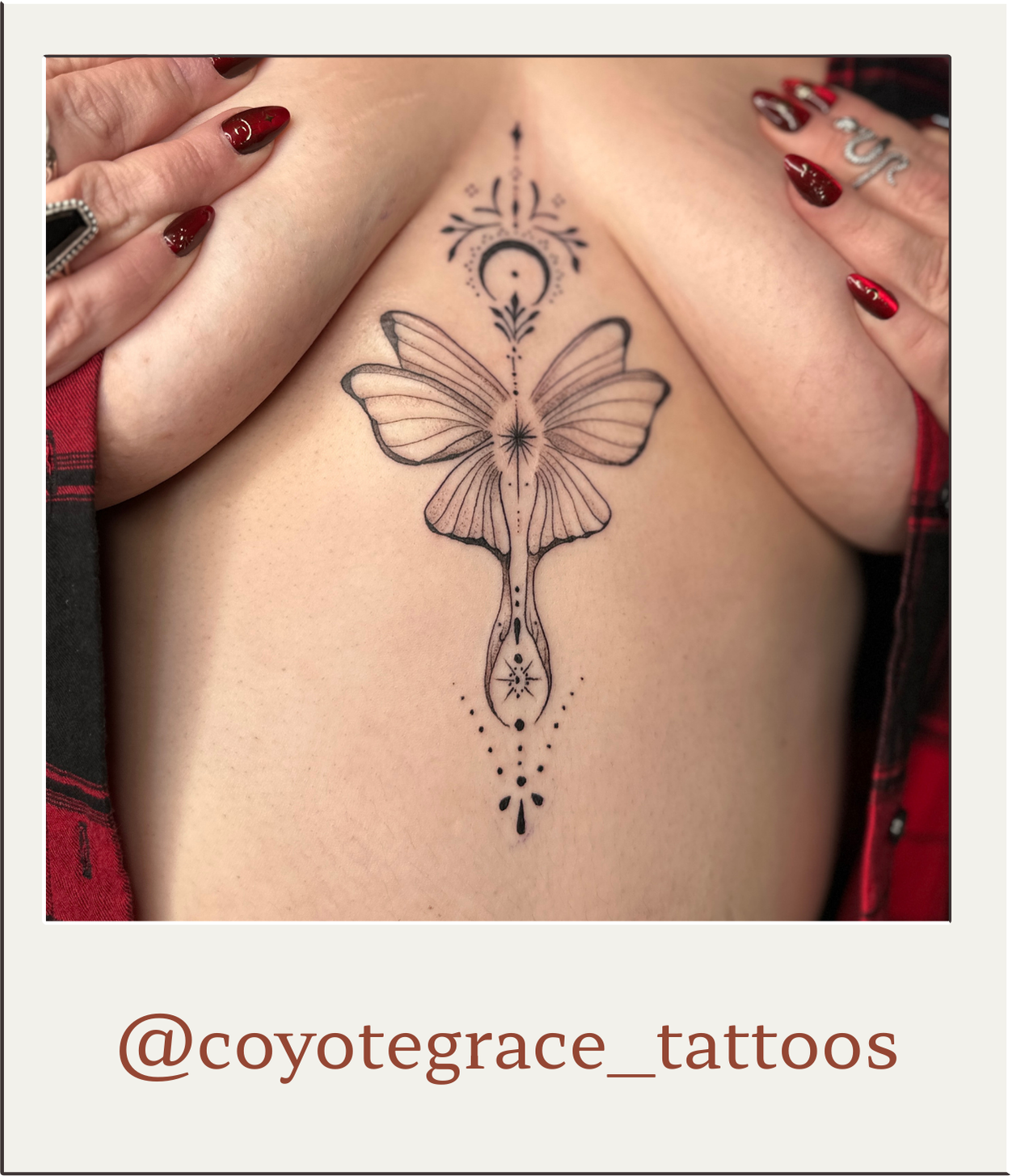
Fine line and micro tattoos use very thin needle groupings, often single-needle techniques. This allows artists to create delicate lines and subtle shading at a small scale.
When done correctly, these tattoos look refined and intentional. They feel light on the skin and photograph well up close. However, thin lines can fade faster if not applied with proper depth and spacing.
Important trade-offs to consider include:
-
Greater need for artist experience
-
Possible touch-ups over time
-
Careful placement choices for longevity
Understanding these factors helps clients choose designs that hold up over time.
How Do Small Tattoos Reflect Personal Significance and Self-Expression?
Small tattoos often carry deeply personal meaning. Their size makes them feel private, even when visible.
Instead of making a public statement, tiny tattoos act as reminders. They can represent memories, values, or moments of transition. Because they are seen frequently by the wearer, they reinforce emotional significance over time.
Below are common emotional themes tiny tattoos convey and how they operate as personal signifiers.
- Intimacy and Memory: Small tattoos act as discreet reminders of loved ones or pivotal events.
- Identity and Values: Minimal symbols (e.g., tiny anchors, stars) convey personal beliefs or affiliations.
- Growth and Transition: Micro motifs often mark milestones like recovery, graduation, or new chapters.
- Privacy Over Publicity: Small size supports selective disclosure—visible only in close interactions.
These themes illustrate how the psychology of small tattoos favors internal meaning and private reinforcement over spectacle, which leads into the catalog of symbols and placements that best express those meanings.
What Deep Meanings Do Tiny Tattoos Convey?
Tiny tattoos often symbolize remembrance, resilience, identity, and intimate storytelling because their small size encourages private interaction and frequent personal recall.
The mechanism is psychological anchoring: a small, visible symbol can cue emotion and memory multiple times per day, reinforcing behaviors or serving as a gratitude prompt.
The benefit for wearers is emotional economy—they gain consistent psychological returns from a minimal mark without attracting broad attention.
Short, anonymized vignettes commonly show people using a tiny script on the wrist to remember a phrase or a micro-floral near the collarbone as a private homage.
Recognizing these uses helps people design tattoos that resonate with the intended daily meaning.
This understanding naturally guides which motifs and placements are most effective for signaling identity and milestones.
Which Symbols and Designs Represent Identity and Milestones?
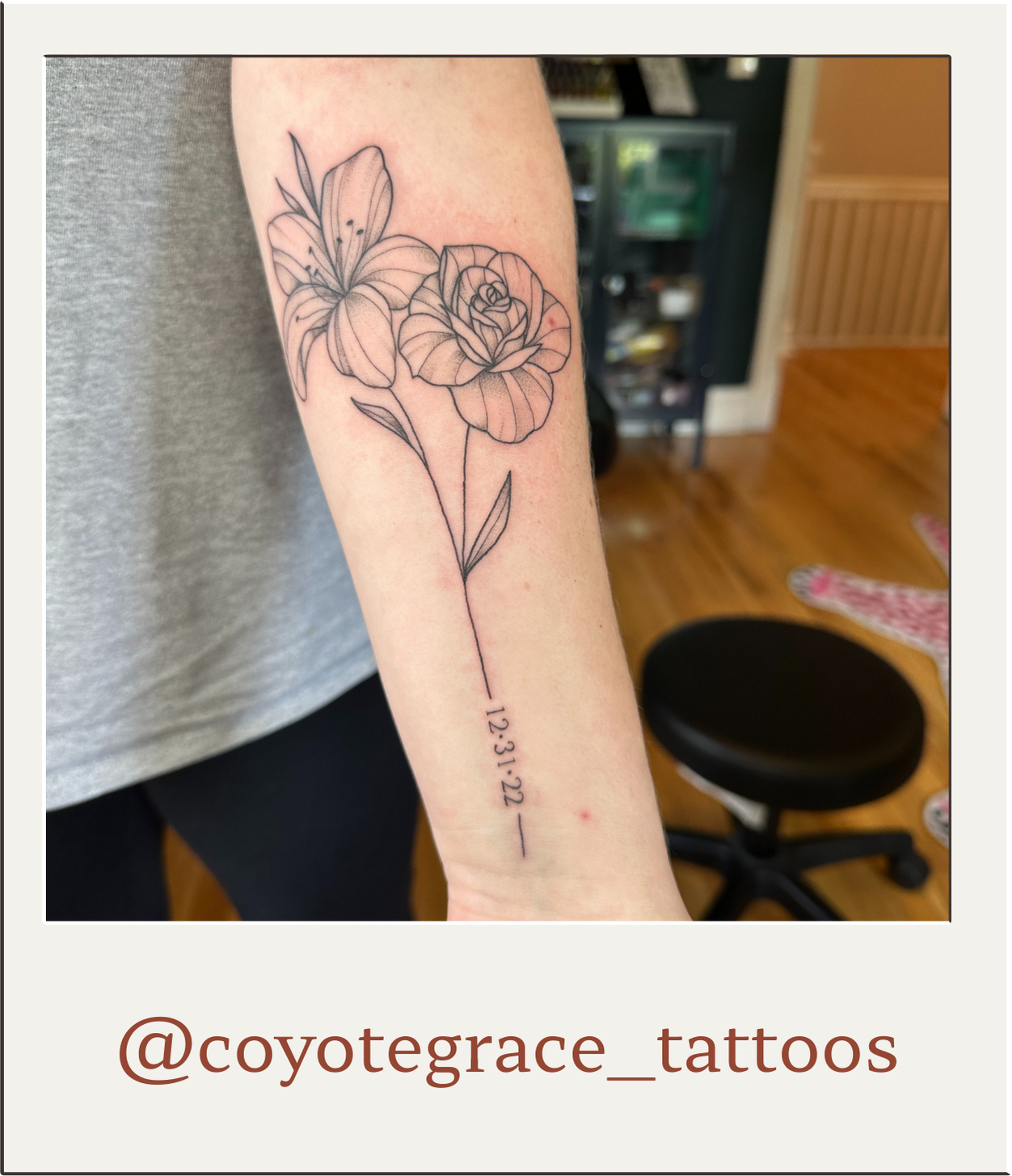 Popular small motifs combine symbolic clarity with simple geometry or script so they remain legible at minimal scale, making them reliable carriers of personal meaning.
- Single-flower outlines for growth
- Tiny stars for guidance
- Minimalist arrows for direction
- Short script words for mantras
- Small numerals for dates
Ideal placements include the inner wrist for frequent glimpses, behind the ear for discreetness, the fingers for tactile reminders, and the collarbone for a balanced visible-but-subtle display.
Selecting a symbol with a clear one-line meaning and a placement that supports the intended privacy level ensures the tattoo serves its mnemonic purpose effectively.
What Practical Benefits Make Small Tattoos Idea for Many?
Small tattoos come with practical advantages that appeal to many clients.
They usually require less time, cost less, and heal faster than larger pieces. Less skin trauma also means aftercare is simpler.
Additional benefits include:
-
Easier concealment at work
-
Lower pain for most placements
-
Flexibility to add more tattoos later
These factors make small tattoos especially appealing for beginners.
The table below compares typical outcomes across key attributes for small versus larger tattoos to help readers decide which scale fits their priorities.
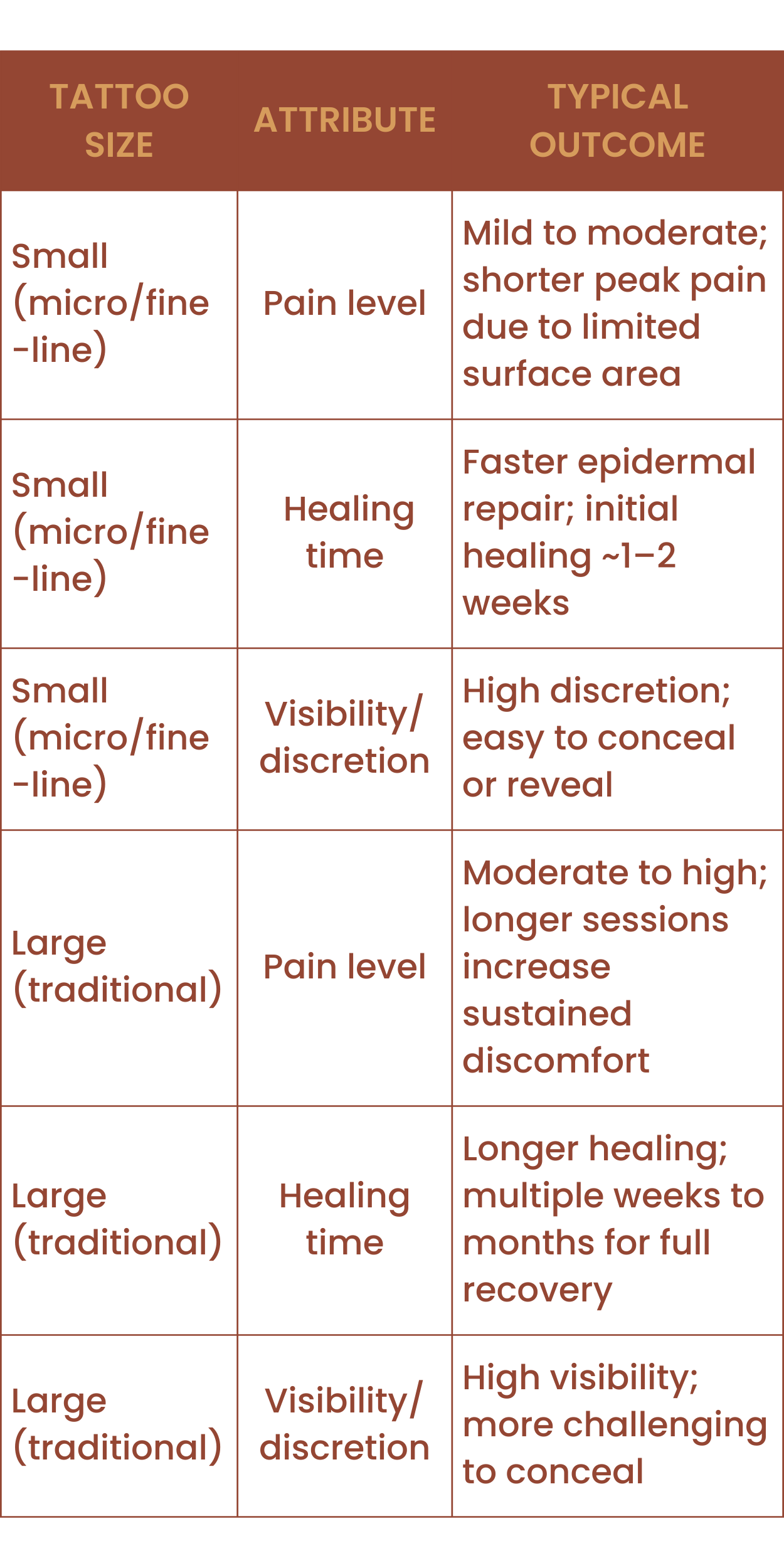 This comparison clarifies how small tattoos trade off scale for convenience and discretion, guiding readers toward choices that match their lifestyle and pain tolerance.
Why Are Small Tattoos Perfect for First-Timers?

For first-time clients, small tattoos reduce risk. They offer a chance to experience tattooing without a major commitment.
Shorter sessions help people gauge pain tolerance. Healing a small tattoo also teaches proper aftercare before moving on to larger work.
Helpful beginner steps include:
-
Testing placement with temporary tattoos
-
Reviewing healed fine-line work in portfolios
-
Asking about fading and touch-up policies
This approach builds confidence and informed decision-making.
How Do Small Tattoos Offer Less Pain and Faster Healing?
Small tattoos typically involve less surface trauma, which directly influences nociceptive response and speeds the early stages of tissue repair when done with appropriate needle technique.
The mechanism centers on localized needle passes and limited ink saturation, reducing prolonged inflammatory signaling and allowing quicker re-epithelialization of the skin.
Benefits include shorter acute pain periods, reduced scabbing, and a condensed timeline for the most intensive aftercare—many small tattoos show stable surface healing within one to two weeks, with color settling over the following month.
Recommended aftercare emphasizes gentle cleaning, thin layers of moisturizer, and sun protection to preserve fine lines; avoiding heavy exfoliation and friction speeds recovery and reduces the need for premature touch-ups.
Having covered practical benefits, we turn to how social platforms shape the spread of these small-tattoo trends.
How Is Social Media Influencing the Rise of Small Tattoos?
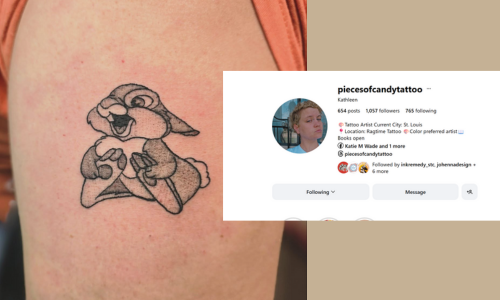
@pieceofcandytattoo
Social platforms play a major role in spreading small tattoo trends. Close-up visuals and short videos highlight fine detail.
Instagram favors clean photos and healed results. TikTok showcases process videos and healing timelines. Both formats make small tattoos easy to share and replicate.
This fast exposure helps certain designs go viral while also educating clients about technique and care.
The Media's Influence on Tattoo Popularity and Cultural Dissemination
The tattoo phenomenon, initially linked to traditional ethnic groups and subsequently to subcultures, has in recent decades witnessed an unprecedented proliferation in contemporary societies, extending into highly diverse population segments where this practice was previously uncommon. Originally associated with rituals and sacred rites, tattoos have increasingly become a fashion statement for some, a trend largely propelled by mediated diffusion channels. Consequently, the presence of tattoos is observable both in public spaces and within the media. This paper examines the role of media in this phenomenon. Throughout this research, in-depth interviews were conducted with professional tattoo artists and tattooed individuals to explore the various facets of tattoo mediation and execution. The findings from these interviews indicate that media have significantly influenced the rise in tattoo popularity.
Media and contemporary tattoo., A Walzer, 2016
What Role Do Instagram and TikTok Play in Popularizing Tiny Tattoos?
https://www.instagram.com/p/DRfwgJbj3t-/
Instagram and TikTok each provide distinct discovery tools—static galleries and short-form motion respectively—that highlight the visual detail required for small tattoos to read well.
The mechanism rests on format fit: Instagram carousels let artists present multiple angles and healed results, while TikTok’s stepwise clips demonstrate process, healing time-lapse, and real-time aftercare; both formats increase trust by exposing technique.
The benefit is more informed clients who can evaluate fine-line clarity, healed outcomes, and artist skill before booking.
Suggested search strategies include using descriptive hashtags and saving artist reels; this reduces the semantic gap between inspiration and realistic expectations.
Knowing how to use these tools leads into ethical considerations around copying and personalization.
How Do Celebrity Endorsements and Online Communities Inspire Small Tattoo Choices?
Celebrities can normalize tiny tattoos by wearing discreet micro motifs publicly, which acts as a cultural signal that a look is fashionable and acceptable, while online communities iterate on those templates to generate personal variations.
The mechanism is social modeling: public ps provide prototypes that fans adapt, and micro-communities refine those prototypes into accessible templates or localized styles.
The benefit is a rich pool of inspiration that can be personalized, but the risk is imitation without adaptation, which can undermine authenticity.
Ethical practice encourages reinterpretation rather than direct copying—respecting original artists and injecting personal symbolism into chosen motifs.
Understanding this dynamic helps clients balance trend influence with personal meaning when selecting a design.
Beyond external influences, tattoos serve as a profound medium for individuals to articulate their personal journeys and solidify their sense of self.
Tattoos as Personal Narrative: Anchoring Identity and Self-Expression
ABSTRACT: This study investigates the history of tattoos in the United States and their contemporary role and significance. The primary research question aims to determine whether tattoos anchor an individual's personal narrative and help solidify their sense of self. The study engages with both modernist and postmodernist concepts of identity, ultimately supporting a perspective that posits identity as a consequence of an individual's capacity to maintain a consistent narrative over time. This exploratory study employs a qualitative approach to discern the meanings individuals ascribe to their tattoos, as conveyed through their own words and perceptions. Data was collected through interviews with eight participants, diverse in age, race, and gender. The findings indicate that individuals frame the importance of their tattoos in various ways, ranging from commemorating past experiences to serving as potent symbols of their sense of self.
Tattoos as personal narrative, 2009
What Are the Top Small Tattoo Trends and Design Ideas for 2025?
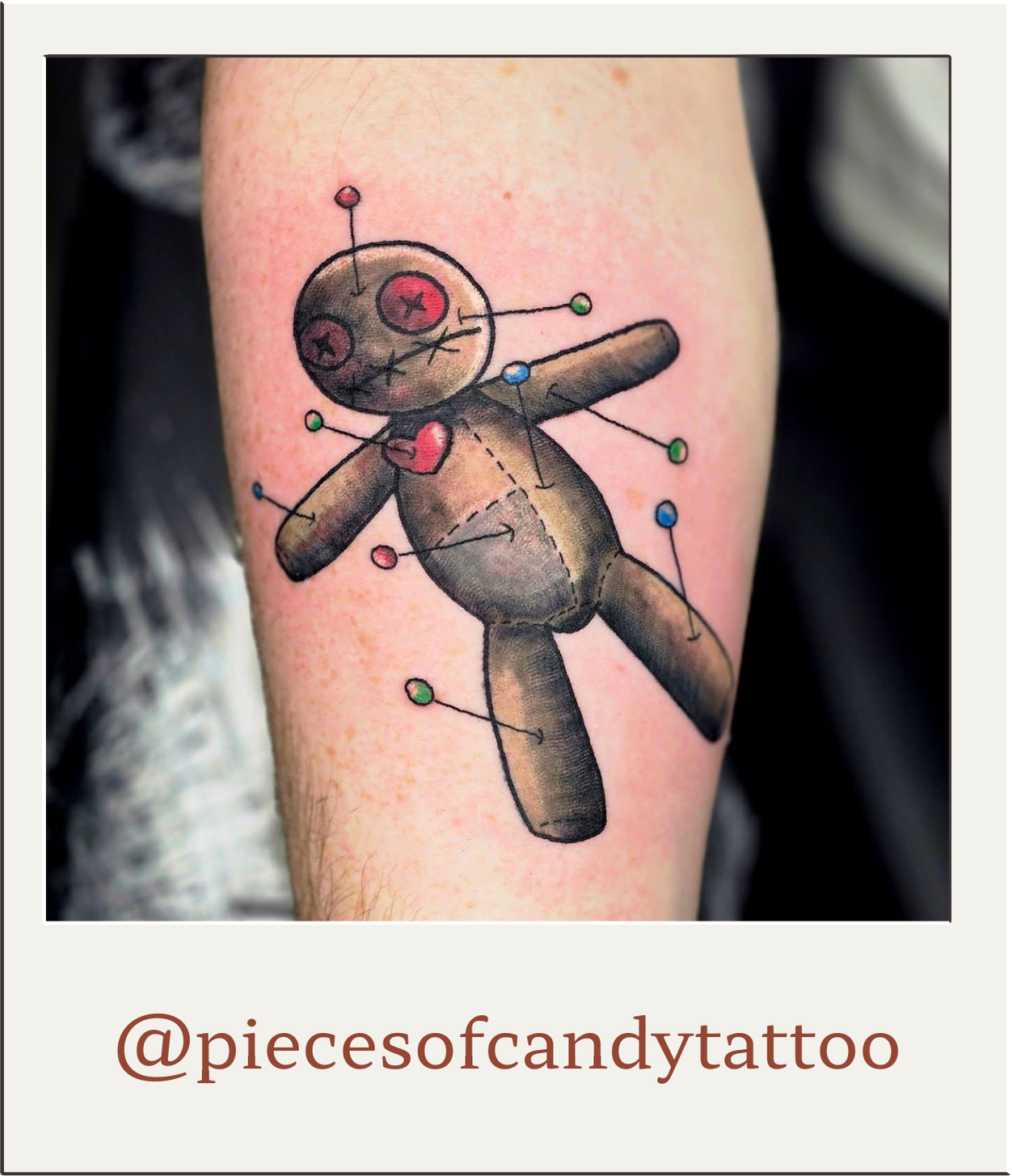
In 2025 small-tattoo trends emphasize microrealism, refined fine-line florals, geometric minimalism, celestial icons, and tiny script treatments—each blending technical precision with symbolic clarity.
The mechanism linking these trends is improved single-needle control and refined shading techniques that make photoreal detail possible at micro scale, while aesthetic preference favors motifs that integrate easily with daily wear.
The benefit for wearers is access to a wide palette of discreet options that can be mixed incrementally to form a personal narrative.
Below, a quick list and a compact EAV table summarize style characteristics and ideal placements to help readers visualize options and make informed choices.
Microrealism:
Photoreal tiny portraits or botanical fragments that emphasize tiny-shade gradients.
Fine-line floral:
Single-stem blossoms and minimal leafwork that read elegantly at small scale.
Geometric minimalism:
Clean shapes and single-line abstractions for symbolic clarity.
Celestial icons:
Tiny moons, stars, and planetary dots as identity markers or talismans.
Tiny script:
One-word or short-phrase lettering in delicate typefaces for personal mantras.
These categories illustrate how micro techniques expand expressive possibilities, and the table below links styles to characteristics and placements.
| Style (Micro Category) | Characteristic Example | Placement |
|---|---|---|
| Microrealism | Micro-shading, photoreal detail | Tiny botanical fragment on the forearm |
| Fine-line floral | Single-needle outlines, delicate stems | Inner wrist or behind the ear |
| Geometric | Precise lines, negative space | Finger side or nape of neck |
| Celestial | Small icons, minimal dots | Collarbone or behind the shoulder |
| Script (tiny) | Short words, thin type | Along the rib, inner forearm |
This quick reference shows how 2025 trends pair technique with placement to deliver both aesthetic and symbolic value, which naturally leads into practical guidance for beginners.
Which Micro Tattoos and Fine Line Florals Are Trending?
Micro florals and botanical fragments are trending, combining universal symbolism with the visual economy of tiny tattoos to deliver motifs that age gracefully and work with adjacent ink.
The mechanism relies on simplified botanical outlines and selective micro-shading that evoke realism without overcrowding the design.
Benefits include adaptability—floral micro pieces can be extended into small clusters over time or left as standalone tokens.
Examples gaining traction include single-spray lavender, tiny daisy outlines, and minimalist fern fronds placed along the wrist or behind the ear.
Artists often recommend larger negative-space margins around florals to preserve legibility as skin texture changes, informing placement choices for long-term clarity.
These floral choices connect to the broader set of geometric and celestial motifs that define 2025 micro tastes.
What Geometric, Celestial, and Script Tattoos Are Gaining Popularity?
Geometric small tattoos emphasize clean angles and negative space to communicate clarity, while celestial motifs and tiny script deliver symbolic resonance in compact form.
The mechanism behind their popularity is semantic efficiency—simple forms carry layered meaning.
The benefit for wearers is that these motifs are highly modular: a small geometric mark can link to other pieces, a tiny star can tag a milestone, and a short script can reinforce a daily mantra.
Popular micro placements include the finger side for geometric clarity, the collarbone for celestial visibility, and the inner forearm for tiny script legibility.
Knowing these trends helps clients choose motifs that remain readable and meaningful across daily movement and clothing choices.
How Can Beginners Choose the Right Small Tattoo?

Choosing a first small tattoo begins with aligning design scale, placement, and artist capability to personal goals, followed by practical trials and clear aftercare planning.
The mechanism is iterative testing: start small, evaluate healing, and plan for touch-ups or expansions as confidence grows.
The benefit is a low-risk path to meaningful ink that preserves options for future work and manages expectations about longevity.
This section offers a stepwise checklist and aftercare plan tailored to fine-line and micro tattoos so beginners can proceed with knowledge and confidence.
Below is a step-by-step checklist for selecting your first small tattoo.
- Test the placement with temporary transfers or henna to assess visibility and daily interaction.
- Review several fine-line portfolios to confirm an artist’s control with single-needle techniques.
- Ask the artist about expected fade, touch-up policy, and recommended ink depth for longevity.
- Choose a symbol with semantic clarity and avoid overly dense detail that may blur at micro scale.
- Verify studio hygiene practices and request healed photos of similar-sized work.
These steps help beginners move from inspiration to a reliable booking and prepare them for the healing process described next.
What Should You Consider When Selecting Your First Small Tattoo?
Selecting a first small tattoo means balancing personal meaning, technical feasibility, and long-term readability so the piece remains meaningful as skin and life circumstances change.
The mechanism involves evaluating the design’s line density and the chosen placement’s skin characteristics—areas with frequent friction or movement can accelerate fading.
The benefit of this evaluative approach is a durable small tattoo that reads well when healed and integrates with your lifestyle.
Trial methods like temporary transfers and detailed portfolio review reduce surprises; red flags include inconsistent healed photos, reluctance to discuss touch-ups, or unclear sanitation protocols.
Applying these considerations ensures a thoughtful and sustainable first tattoo investment.
How Do You Care for Fine Line and Minimalist Tattoos After Getting Inked?
Aftercare for fine-line and micro tattoos emphasizes gentle care, controlled moisture, and sun protection to preserve thin strokes and prevent line diffusion during healing.
The mechanism of effective aftercare is minimizing mechanical and chemical abrasion while supporting epithelial repair through clean environment and moisture balance.
The benefit is clearer long-term lines and reduced need for premature touch-ups; following a day-by-day plan helps achieve this outcome.
Recommended regimen includes initial sterile bandaging, twice-daily gentle cleansing with a mild, fragrance-free cleanser, thin application of a recommended ointment or moisturizer, and strict sun avoidance for several weeks.
Watching for signs of infection or unusual prolonged redness ensures timely professional advice when needed.
A concise two-week timeline and tips summarize immediate and medium-term actions to protect your small tattoo investment.
- Days 0–3: Keep bandage on as instructed, wash gently twice daily, apply thin moisturizer.
- Days 4–14: Expect light scabbing and peeling; continue gentle moisturization and avoid submersion.
- Weeks 3–8: Lines settle and pigment stabilizes; protect from sun and consider touch-up timing after full healing.
These aftercare stages preserve fine-line clarity and connect back to earlier points about longevity, technique, and when to plan future additions or touch-ups.
Ready for your next tattoo?
Our goal is to reply as soon as possible. On weekends, we may follow up on the first business of the week.
Ragtime Tattoo Shop
Located at 3144 Morganford Rd. St. Louis, Missouri
Stay updated with our latest work and what’s happening in the shop.