
How Deep does the Needle go into my Skin?

HOW DEEP DOES A TATTOO GO INTO THE SKIN?
How Deep Does a Tattoo Go?
About 2mm deep—just far enough to reach the dermis.
That depth matters because tattoos only last when ink reaches living, vascular tissue. Anything shallower fades. Anything deeper causes problems.
Why Tattoo the Dermis?
Tattoo ink belongs in the dermis because it is living tissue with blood flow.
The epidermis exists to keep things out—including ink.
Your body constantly replaces the epidermis. If ink stays there, it disappears within weeks. The dermis, however, holds pigment long-term because it contains blood vessels and immune cells.
Human skin averages about 2mm thick. Some areas are thinner, like eyelids and joints. A tongue depressor measures around 2.8mm, which shows how thin skin really is.
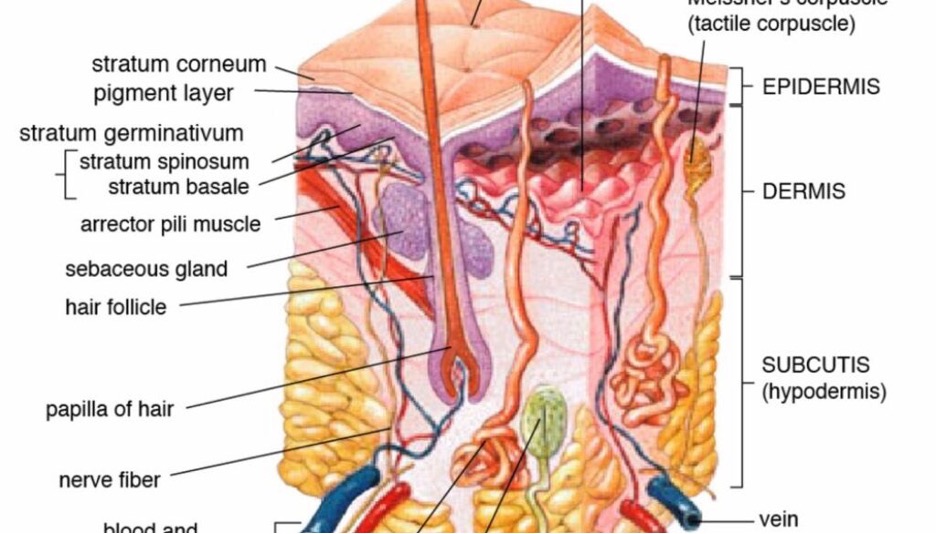
Skin Structure (Simplified)
Skin has three main layers:
- Epidermis – sheds constantly
- Dermis – living tissue that holds ink
- Hypodermis – fat and connective tissue
The hypodermis anchors skin to the body. It affects healing and longevity, but tattoos do not belong there.
What Keeps Tattoos Permanent?
Two things make tattoos last:
1. Immune Response
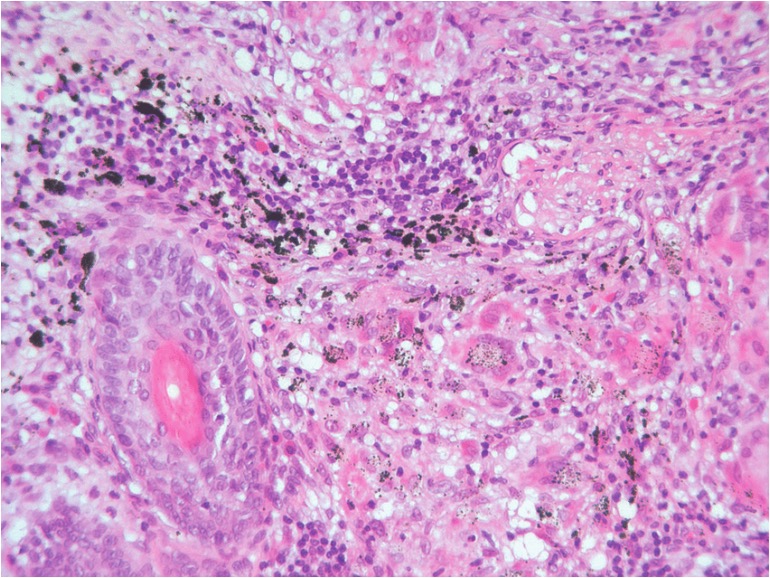
Macrophages capture pigment particles and hold them in place. These cells stay active in the dermis, not the epidermis.
2. Blood Flow
Blood delivers cells and signals that heal the wound and stabilize the ink. The epidermis lacks blood vessels, so it cannot do this.
Ink placed too shallow fades quickly. Ink placed too deep spreads, blurs, or migrates.
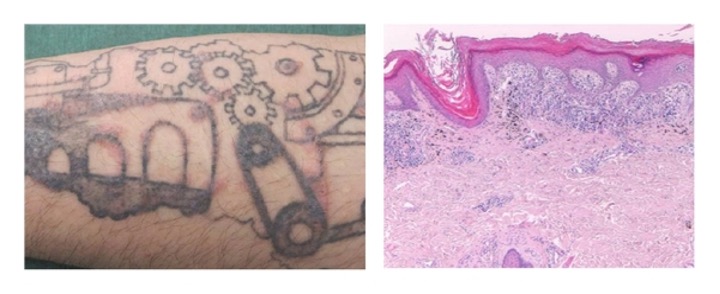
Why the Upper Dermis Matters
Depth affects visibility.
Skin acts like a semi-transparent filter. The deeper the ink sits, the more light gets scattered or absorbed before reaching it. Deeper tattoos appear dull and muddy over time.
Pigment also does not form a flat layer. It clusters unevenly within the skin. When ink sits too deep, those clusters stack vertically and reduce clarity.
The upper dermis offers the best balance. It holds dense pigment while allowing light to reflect cleanly.
What “Saturation” Really Means
Saturation refers to pigment concentration, not depth alone.
A tattoo looks solid when pigment clusters tightly in the upper dermis. The lower dermis contains dense structures like glands and vessels. Pigment struggles to stay there.
Ink placed too deep also sits closer to lymphatic pathways. That increases the chance the body removes it.
Skin Differences Matter
Not all skin behaves the same.
- Darker skin tones often have faster cell turnover and stronger immune responses. Healing differs.
- Aging skin becomes thinner and less resilient. It needs careful pacing and prep.
Artists should adjust depth, timing, and session length based on the individual. Tattooing is never one-size-fits-all.
Final Thoughts
Skin is complex and unpredictable. No diagram perfectly represents real skin.
Successful tattooing requires awareness of depth, biology, and individual differences. The goal always stays the same: place pigment in the upper dermis, cleanly and intentionally.
TL;DR: How Deep Does a Tattoo Go?
- Tattoos go about 2mm deep
- Ink belongs in the upper dermis
- Too shallow = fading
- Too deep = blur or loss
- Skin tone, age, and health all affect results
The sweet spot is the upper dermis—every time.
Originally posted by :
Ready for your next tattoo?
Our goal is to reply as soon as possible. On weekends, we may follow up on the first business of the week.
Ragtime Tattoo Shop
Located at 3144 Morganford Rd. St. Louis, Missouri
Stay updated with our latest work and what’s happening in the shop.