
Ragtime Is Reinventing Itself—And Staying the Same
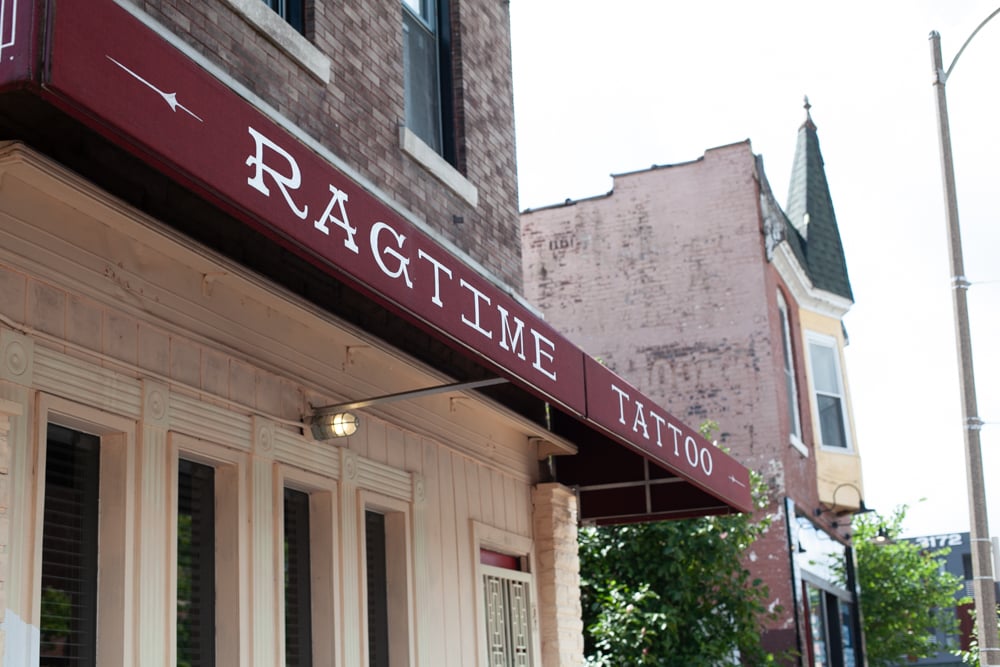
Ragtime Tattoo Studio Reinvents the Artist-Client Experience
Why Ragtime Started
Fifteen years ago, I moved to Ragtime because I needed quiet. That was it. I wasn’t trying to start a movement or change the industry. I had just gotten sober, and I needed a place where I could focus—somewhere I could think clearly, do good tattoos without shouting over chaos, and spend time with clients and friends.
Back then, it was just a small room. Less than 500 square feet. Low rent, no frills—only what was necessary to concentrate. It did the job. Honestly, it could have stayed that way forever.
Then the neighborhood changed. Rent went up, and I had a choice: give up the space or buy the building. I bought it. That decision brought higher overhead, which meant bringing in a couple of other artists to help cover rent. Even then, there was no plan to grow and no ambition to turn it into a big shop. I just wanted peace of mind.
Over time, that little space turned into something more than quiet. It became a resting point for artists who needed one. Some came burned out from street shops. Others wanted to try appointment-only work without committing to a private studio. Ragtime was never meant to be permanent for most people—it was a place to sit down, breathe, and figure things out.
And it worked.
Artists came, got grounded, and moved on. Some opened shops. Some left town. Others realized they missed walk-ins and went back to that model. Either way, Ragtime served its purpose.
But things have changed.
The Model That Worked—Until It Didn’t
Years ago, you could open a quiet studio and simply exist. If your work was solid and your name carried weight, people found you. Artists with established clients rented booths, promoted themselves, and plugged into the system with ease.
That model is tired now.
Most older artists are settled and satisfied where they are. At the same time, fewer artists exist who can step into a plug-and-play setup with a full book. Many newer artists are talented, but they didn’t come up in high-volume shops. As a result, they often haven’t learned how to promote themselves or build clientele yet. That isn’t a failure—it’s just how tattooing has shifted.
These days, people don’t walk into shops the way they used to. Instead, they start online. They visit the website, scroll through it once or twice, and decide whether to reach out. If they don’t, that opportunity disappears. There’s no second chance to meet them in person.
The lobby moved to the internet.
Because of that, Ragtime has to evolve. If we want to keep the lights on while still making room for thoughtful artists and clients, we need a system that reaches out instead of waiting. One that starts conversations rather than hoping they happen.
What Ragtime Is Becoming
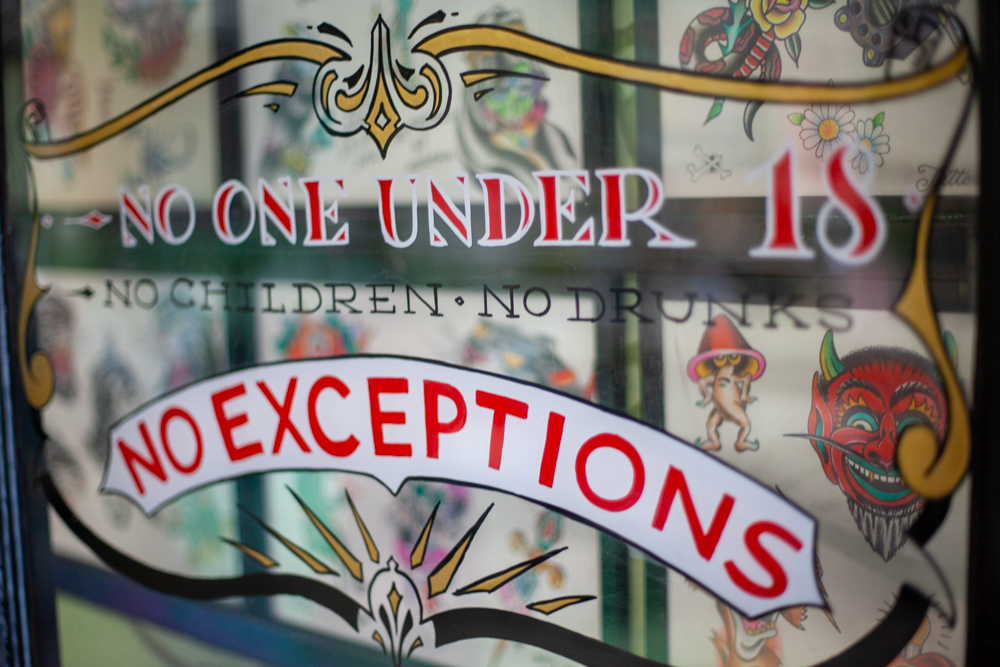
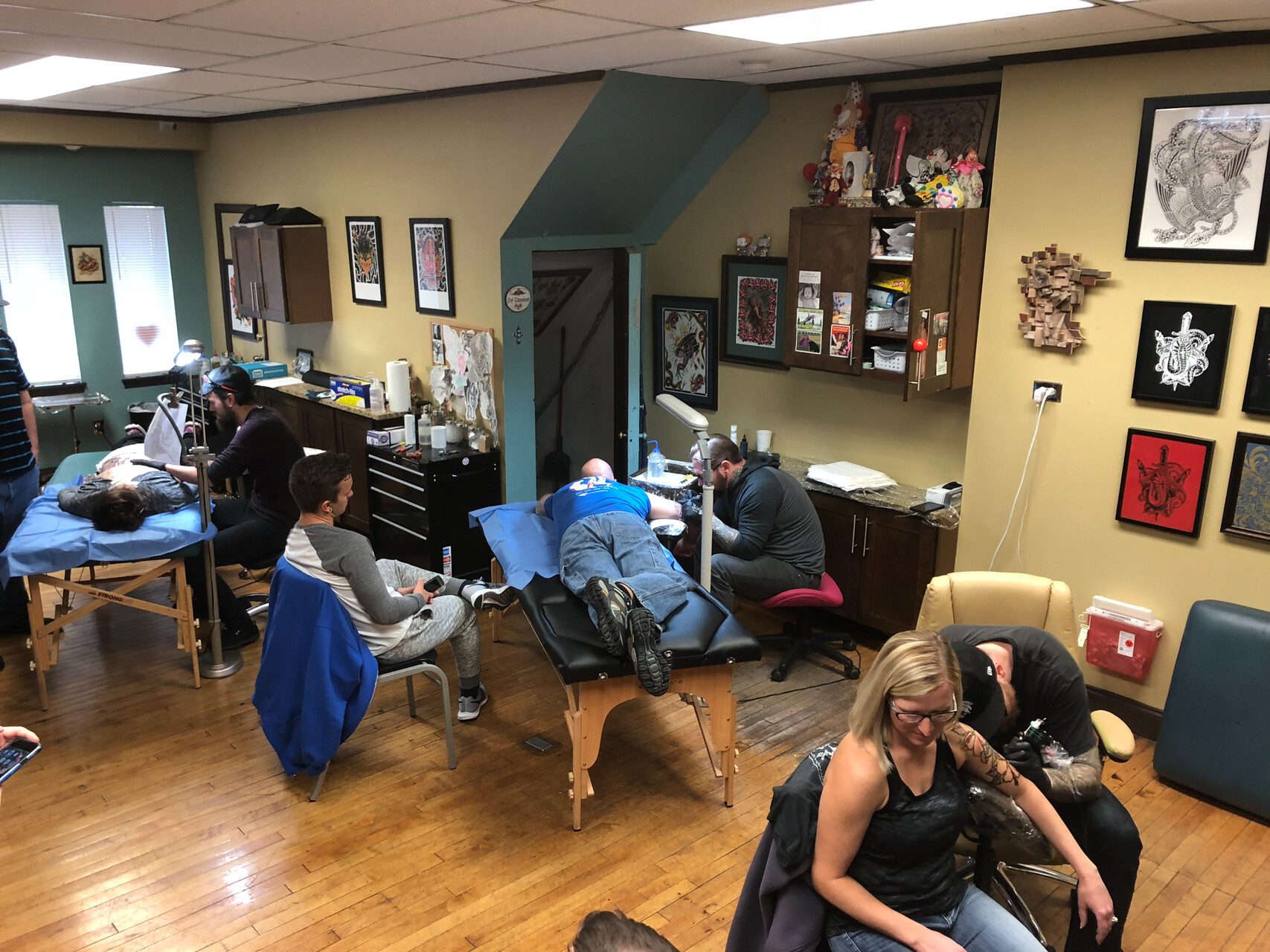
Ragtime is not turning into a tattoo factory. We aren’t compromising what has always made this place different. We’re still appointment-only, artist-driven, quiet, and focused on one client at a time.
What is new is how we connect people.
We’re becoming more proactive about helping clients and artists find each other in real time. That includes adding chatbot tools to the website so we don’t miss people when they’re ready to talk. It also means calling people back quickly, sharing artists’ work in ways that highlight values—not just portfolios—and getting in front of potential clients with respect rather than hype.
At the same time, our expectations are shifting.
Instead of only welcoming artists with full books, we’re building systems that help artists build them. That’s a big change. It requires creating demand through marketing instead of relying solely on reputation. It also means putting structures in place that allow growth without burnout.
Most importantly, it means making room for artists who are still learning how to communicate with clients, manage schedules, and set healthy boundaries.
Who Ragtime Is For
Ragtime serves people who want a great tattoo without being fast-talked or sold to. It’s for first-timers who want to move at a comfortable pace, as well as collectors who value long-term relationships. Above all, it’s for people who want to be listened to.
On the other hand, Ragtime is not for everyone.
We’re not the right fit for people who need to get tattooed immediately, hunt for the cheapest option, or bounce from shop to shop without caring where they land. That doesn’t make anyone wrong—it just means alignment matters.
Because of that, we’re doubling down on the values that made this place work in the first place: listening, collaboration, and trust.
A Studio, Not a Transaction
For fifteen years, we’ve built relationships—with clients, with artists, and with each other. That foundation isn’t going anywhere. If anything, we’re strengthening it.
This next chapter isn’t about trends or shortcuts. It’s about honoring what already works and making sure it survives in a changing industry.
If you’ve been a client since the beginning, we’re still here. Nothing about the heart of this place has changed. And if you’re an artist looking for a studio that avoids chaos while actively helping you grow, come talk to us.
We’re not bragging. We’re just getting clearer—and a little louder—about what we do best so the right people can find us.
Closing Thought
Ragtime started as a quiet room where I could focus. Today, it’s a quiet studio with a signal flare.
We’re not yelling. We’re simply stepping out of the shadows to say this: we don’t think your idea is stupid. We want to listen. We want to collaborate.
And when you’re ready, we’re here.
Ready for your next tattoo?
Our goal is to reply as soon as possible. On weekends, we may follow up on the first business of the week.
Ragtime Tattoo Shop
Located at 3144 Morganford Rd. St. Louis, Missouri
Stay updated with our latest work and what’s happening in the shop.