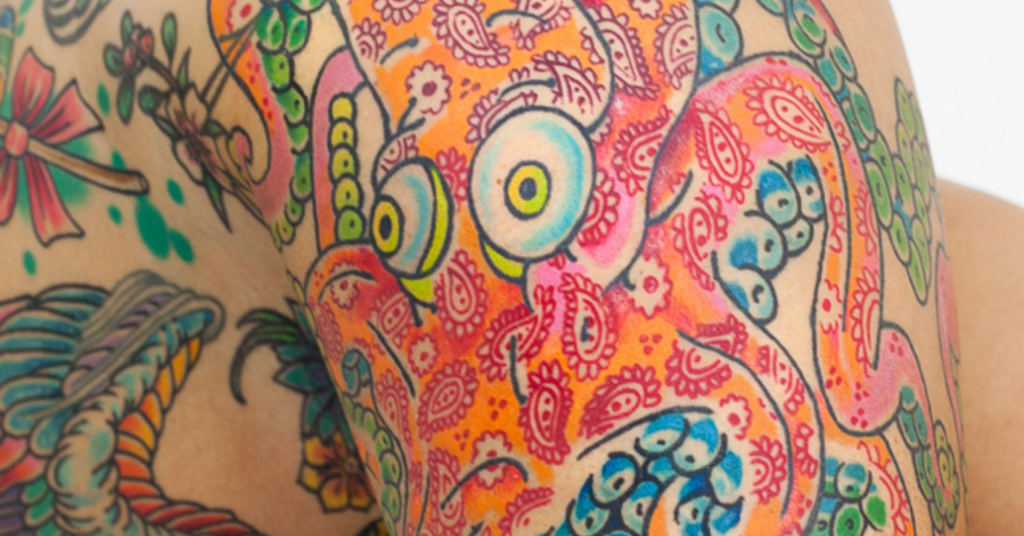
Neo-Traditional Tattoos: The Modern Evolution of an American Classic
Bring back the 90's! Neo Traditional tests the rules but understands classic tattooing foundation
Introduction: Where Old Meets New
Neo-traditional tattooing is what happens when American traditional grows up—without losing its backbone. You still get the bold lines and punchy visuals, but now there’s depth, more color, and a little more room to breathe. It’s rooted in the same foundation that gave us sailor tattoos and flash sheets on acetate, but with modern tools and design choices that make it feel more layered, more expressive, and—let’s be honest—a lot more fun to look at.
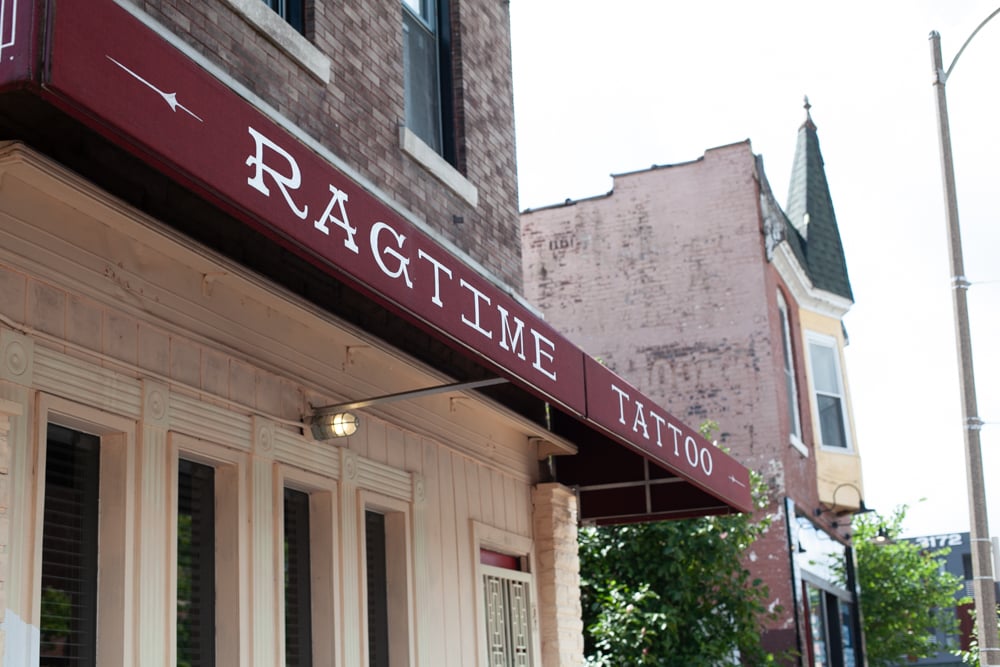
Here in St. Louis, neo-traditional has built a strong fan base. It hits the sweet spot for people who want their tattoos to be readable and bold but also more detailed and personal than flat traditional. At Ragtime Tattoo, we’ve seen this style keep growing—not because it’s trendy, but because it balances strength and beauty in a way few other styles can.
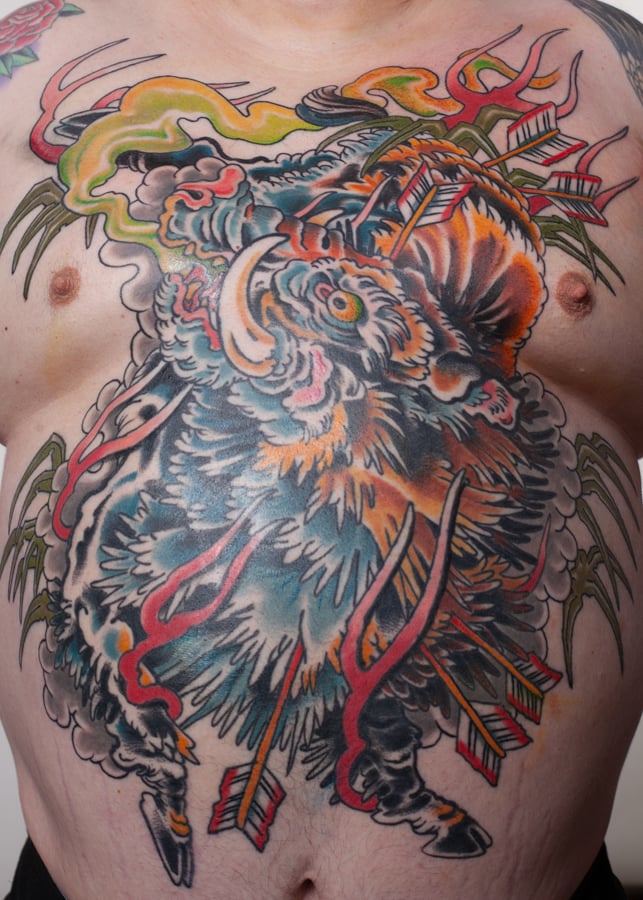
So What Is Neo-Traditional Tattooing?
Neo-traditional pulls directly from the structure of American traditional tattoos—but it opens the door to more. More colors. More shading. More movement. The bones are still the same—thick outlines, clear shapes, and that unmistakable “tattoo” feel—but what happens inside those shapes is where the magic kicks in.
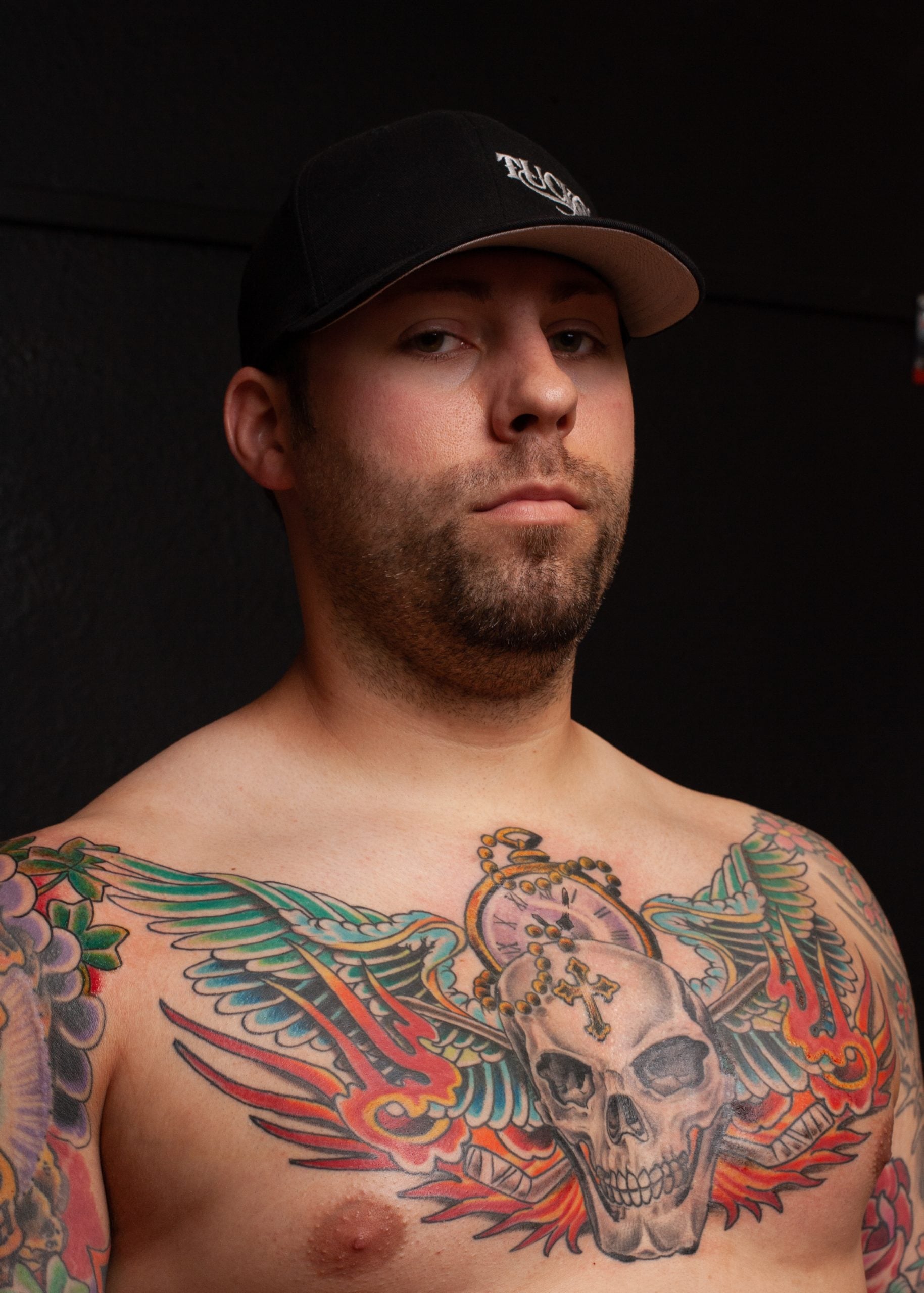
While traditional tattoos tend to be flat, using solid fills and a limited palette, neo-traditional work plays with dimension. You’ll see gradients, soft shading, and even subtle texture built into petals, fur, faces, or feathers. Artists working in this style borrow from realism, illustrative work, even art nouveau and decorative design to build something that still hits hard from across the room, but rewards a closer look too.
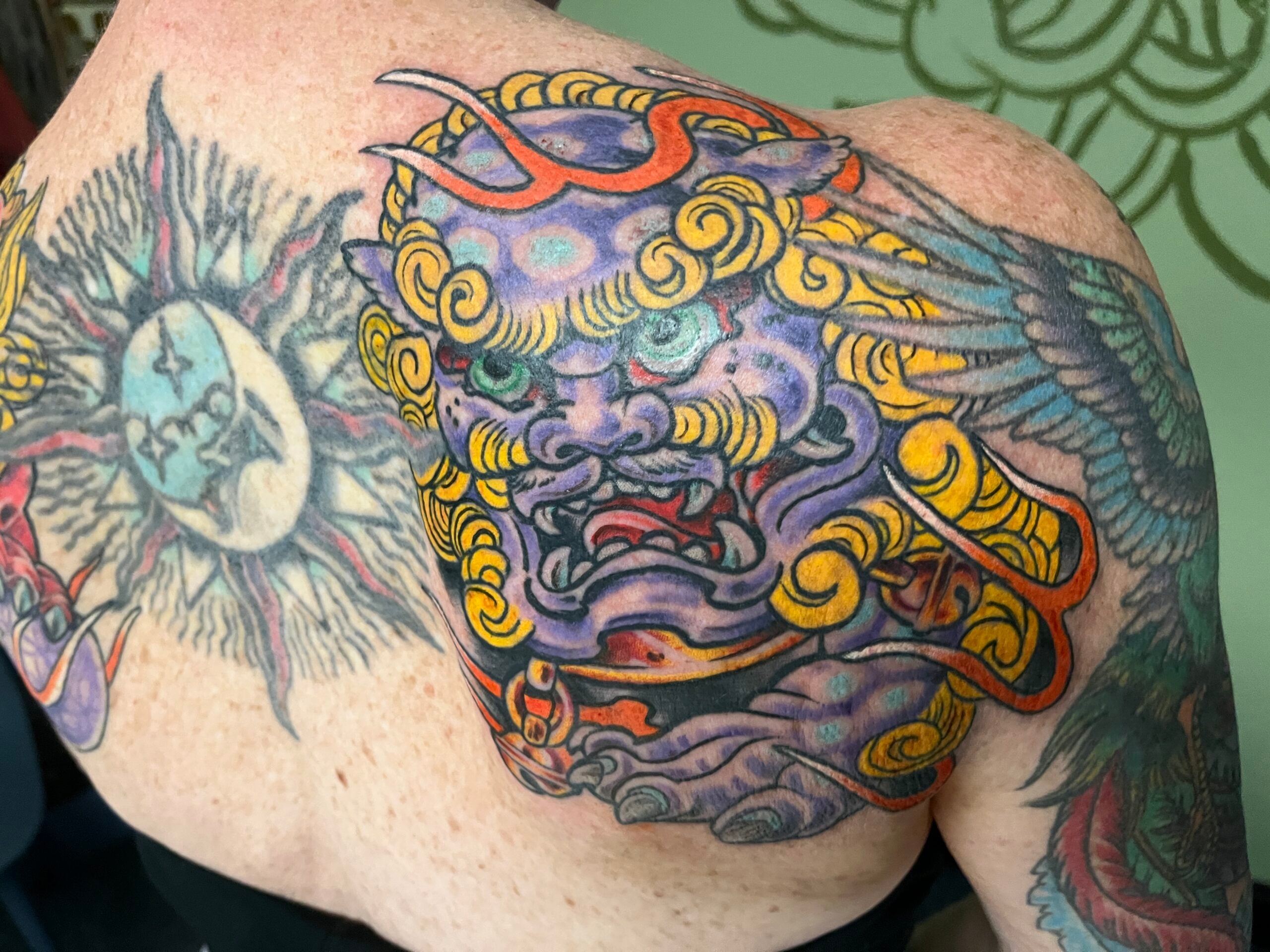
The history of neo-traditional tattooing goes back to the late 1980s and 90s, when artists started pushing beyond the hard edges of traditional flash. Pigments improved, machines got better, and people wanted something that felt more custom and expressive. What emerged was a style that retained the visual power of tradition while softening its rigidity.
You’ll find a lot of the same subject matter—roses, lady heads, eagles, daggers—but with more detail and more story baked in. A wolf might have expressive eyes and a snarl you can feel. A rose might have petals that twist, layer, and fade from red to mauve to black, all within the same piece. There’s room for modern references too—pop culture icons or stylized portraits done in that timeless, ornamental style.
More Tattoo Styles!! Fineline Tattoos. Read More
Why It’s Popular: Substance With Style
There’s a reason neo-traditional tattooing doesn’t just come and go like a trend. It offers something people are always looking for: balance. On one hand, you’ve got the bold structure that helps tattoos age well. On the other, you’ve got enough artistry to make each piece feel alive.
It’s the style you choose when you want something solid but still personal. A tattoo that doesn’t look like a sticker, but also won’t disappear into your skin after a few summers. It holds up better than fine-line micro tattoos and feels more dynamic than a piece of straight flash. And for a lot of people, that combo—strength and softness—is the whole point.
Neo-traditional designs tend to catch the eye, but they also hold it. There’s immediate visual impact, but the more you look, the more you see. The layers of shading, the intentional color transitions, and the way a decorative frame wraps around a central figure—all add up to something that feels like it was designed for your body, not just stuck to it.
Another reason for its staying power is versatility. Neo-traditional can stretch across a full sleeve with mythological creatures and wild florals, or it can stay tight and focused, like a single fox head on the forearm. It works just as well for custom memorials as it does for symbolic pieces with personal meaning. And it’s one of the few styles that looks just as good in full color as it does in black and grey.
Bottom line? People gravitate toward neo-trad because it feels confident. It respects tattoo history, but it isn’t boxed in by it.
Meet the Ragtime Tattoo Artists: Click Here
The Role of Color: Beyond Red and Green
Color is one of the biggest distinctions between traditional and neo-traditional tattoos. While traditional work tends to stick to the primary palette—red, yellow, green, and blue—neo-traditional artists go far beyond that. We’re talking deep burgundies, sage greens, muted lavenders, ochres, rust tones, even pastels if the design calls for it.

But it’s not just about variety—it’s about how the color is used. In traditional tattoos, color blocks tend to be flat and solid. Neo-trad uses gradients, blends, and layering to build form and atmosphere. A flower might fade from dark crimson into soft pink, with subtle purple shadows pulling the petal forward. An animal might be packed with fur texture that uses three or four shades of brown and grey to mimic depth.
Color theory matters too—complementary tones, warm/cool contrast, and saturation placement are all tools we use to build visual harmony and structure. It’s part science, part instinct. A well-built neo-traditional piece should glow from within. Even in black and grey, the contrast between light and shadow creates a dynamic energy.
In St. Louis, climate also plays a role in how color holds up. Summers here are no joke, and sun exposure will fade even the best-packed pigment over time. That’s why we always talk about aftercare—especially if you’re investing in a piece with rich color saturation. Sunscreen is your best friend, and so is a touch-up now and then if your tattoo needs a refresh.
V. What Are the Most Popular Neo-Traditional Designs?
While neo-traditional doesn’t have a fixed rulebook, certain themes pop up again and again—and for good reason. These subjects just work with the style.
Animals are big. Owls, wolves, tigers, foxes—each with exaggerated features and a sense of personality. They’re often surrounded by decorative elements, like scrollwork, leaves, or background texture that adds richness without clutter. The animals aren’t just symbols—they’ve got expression, weight, and presence.
Florals are another staple. Roses are a classic choice, but peonies and chrysanthemums are just as common. These tattoos don’t look like a single color blob—they show light bending on each petal, shadows in the folds, a softness that gives the piece movement. Paired with skulls, faces, or animals, they create strong focal points and balance.
Portraits, too, have found their place in neo-traditional work. They’re not photorealistic, but they’re more grounded than traditional pinups. Think stylized faces with heavy lines, detailed hair, ornate jewelry, and backgrounds that feel like antique frames. A well-done neo-trad portrait can be elegant, haunting, or fierce—all without leaving the tattoo lane.
And don’t forget modern imagery. Pop culture references, mythological creatures, personal objects like keys or crystals—they all get filtered through the neo-trad lens, which keeps them looking timeless even if the subject is current.
How It Compares to Other Styles
Neo-traditional lives in the in-between. It’s not as rigid as traditional, and not as literal as realism. It borrows just enough from each to make something both grounded and expressive.
Compared to American traditional, the biggest difference is depth. Traditional is flat on purpose—it’s about impact and clarity. Neo-trad adds shading, color variety, and detail to give the tattoo more shape and storytelling power.
Against realism, neo-trad has the edge in longevity. Realistic tattoos tend to soften and blur over time, especially in color. Neo-trad holds onto structure because of its use of outlines and contrast. You still get beauty and nuance—but without sacrificing readability.
And while illustrative tattooing leans toward sketchy or fluid linework, neo-traditional sticks to more deliberate shapes. That makes it easier to read from a distance and gives each tattoo a frame to age within.
Can you mix styles? Definitely—especially in larger compositions. We’ve done sleeves that start with a neo-traditional animal and flow into illustrative background work, or traditional filler patterns that weave between more ornate neo-trad centerpiece designs. It just comes down to planning and balance.
VII. Finding a Neo-Traditional Tattoo Artist in St. Louis
Not every artist who does traditional can pivot into neo-traditional smoothly. The technical demands are different—it takes a strong grasp of both color theory and shading, plus the ability to design within structured boundaries.
When looking through portfolios, you want to see consistent work. Lines should be clean and bold. Colors should look rich, not washed out. There should be layering and shadow, but also clarity—nothing muddy or overworked. A good neo-traditional tattoo has dimension, but it still reads like a tattoo.
At Ragtime Tattoo, we’ve spent years developing our approach to neo-traditional. It’s not about replicating Pinterest trends—it’s about building work that feels grounded in tattoo culture, but personal to you. Our artists understand how to take your idea and shape it into a design that works on skin, not just on paper.
We also know how important it is to think long-term. These pieces should heal well, hold up, and still look good ten years from now. That’s not just about technique—it’s about honesty in the consult, experience behind the machine, and respect for the craft.
What to Expect from the Neo-Traditional Tattoo Process
Getting a neo-traditional tattoo starts with a solid consultation. We’ll talk through your ideas, your references, what kind of vibe you’re after, and where on the body the tattoo is going. From there, we start sketching a design that fits the space—not just in size, but in flow, detail, and structure.
Linework usually happens first, in a dedicated session. Because of the level of detail and shading involved, color sessions might follow—especially for larger pieces. We like to build in time for the skin to heal properly between passes, so we’re not working over inflamed or delicate areas.
Healing is similar to any other tattoo: keep it clean, moisturized, and out of the sun. But because you’re investing in a piece with color layering and shading, aftercare really matters. Sun exposure is the number one killer of color. So keep it covered when you can, and plan to get a touch-up down the line if the piece starts to fade unevenly.
Conclusion: Timeless Design with Modern Technique
Neo-traditional tattooing blends the structure of the past with the creativity of the present. It honors where tattooing came from, but it’s not stuck in the past. With bold outlines, expressive subjects, and layered color work, it offers a style that’s both visually powerful and emotionally personal.
If you want something that lasts, looks great from across the room, and still reveals new details every time you look at it—neo-traditional is worth your attention. And if you’re in St. Louis, Ragtime Tattoo is ready to help you build something substantial.
Come in with an idea. We’ll help turn it into a piece that looks like it was always meant to be there.
Ready for your next tattoo?
Our goal is to reply as soon as possible. On weekends, we may follow up on the first business of the week.
Ragtime Tattoo Shop
Located at 3144 Morganford Rd. St. Louis, Missouri
Stay updated with our latest work and what’s happening in the shop.