Traditional Tattoos: Why This Timeless Style Still Dominates in St. Louis
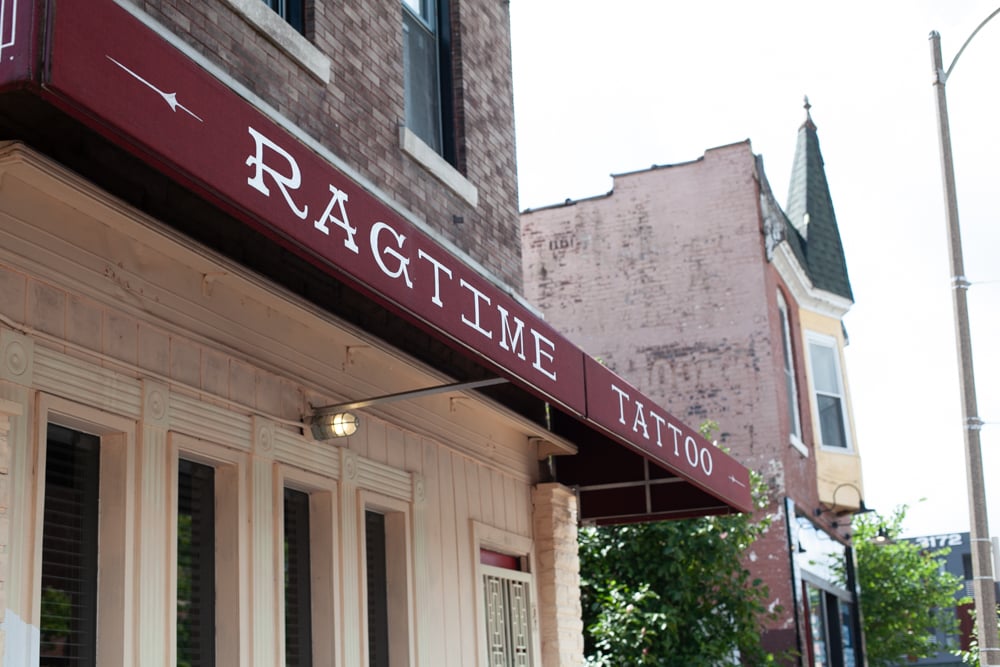
Ragtime Tattoo Shop and St. Louis Traditional Tattooing
Traditional Tattoos: Why This Timeless Style Still Dominates in St. Louis
Traditional tattooing — American traditional, old school, whatever name you know it by — has been part of tattoo culture for more than a hundred years. The style grew out of sailor and military communities in the early 1900s, when tattoos centered less on aesthetics and more on identity and survival. These markings told stories about where someone had been, what they endured, and what they stood for. More than a century later, traditional tattooing hasn’t faded or been replaced.
Here in St. Louis, traditional tattoos remain one of the strongest, most dependable styles people choose when they want something bold, meaningful, and built to last.
At Ragtime, we respect traditional tattooing because it forms the foundation of the craft. The style doesn’t rely on trends or flashiness. Instead, it focuses on clarity, confidence, and strong design. These tattoos grow old with you. They stay readable decades down the line, even after sun exposure, aging, and time take their toll. If you want a tattoo that feels honest, grounded, and classic, traditional tattooing offers a path that has already proven itself.

The Traditional Tattoo Look
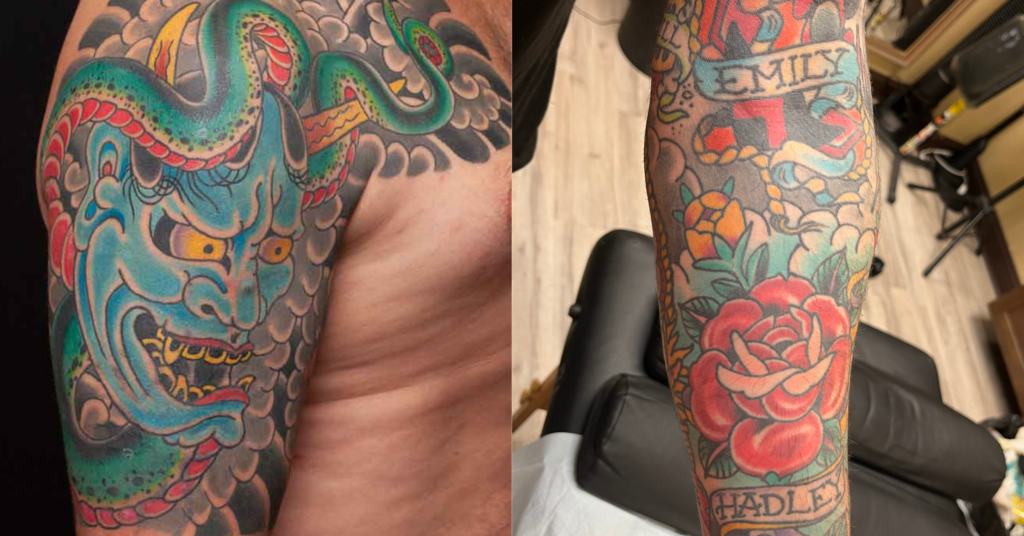
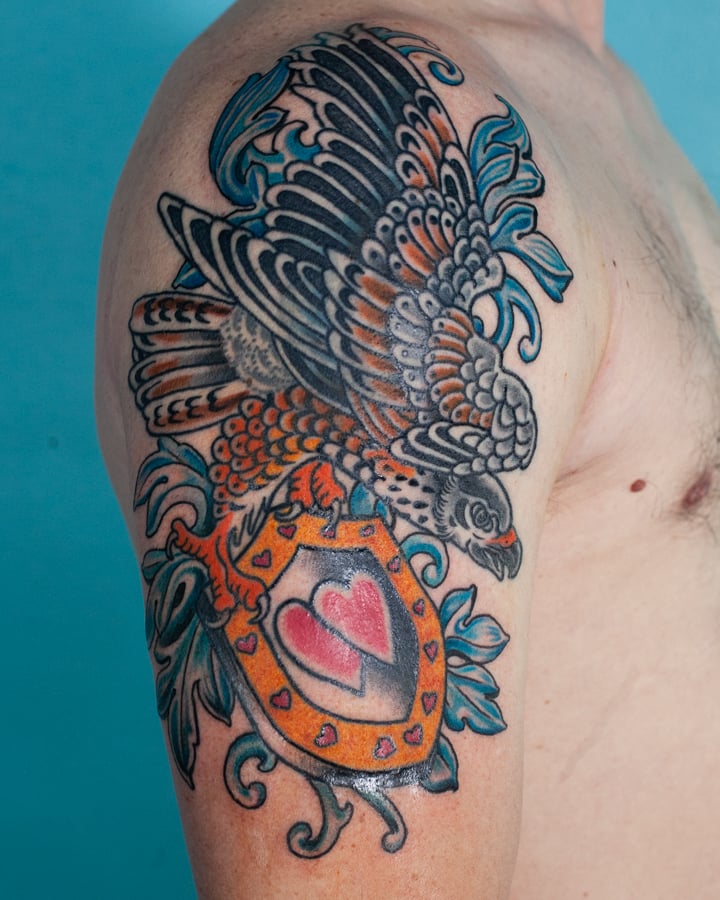
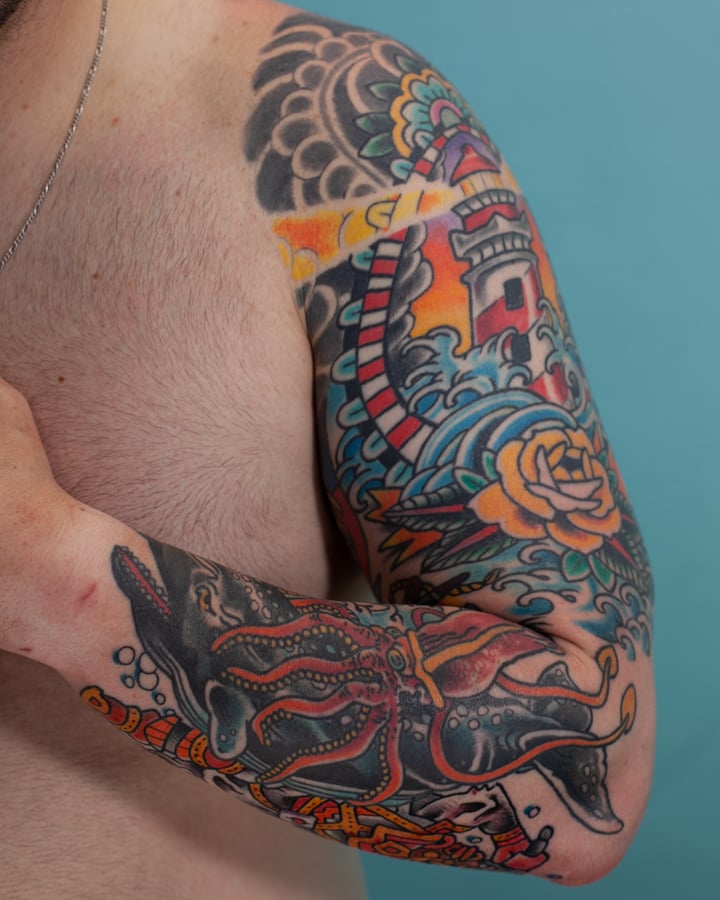
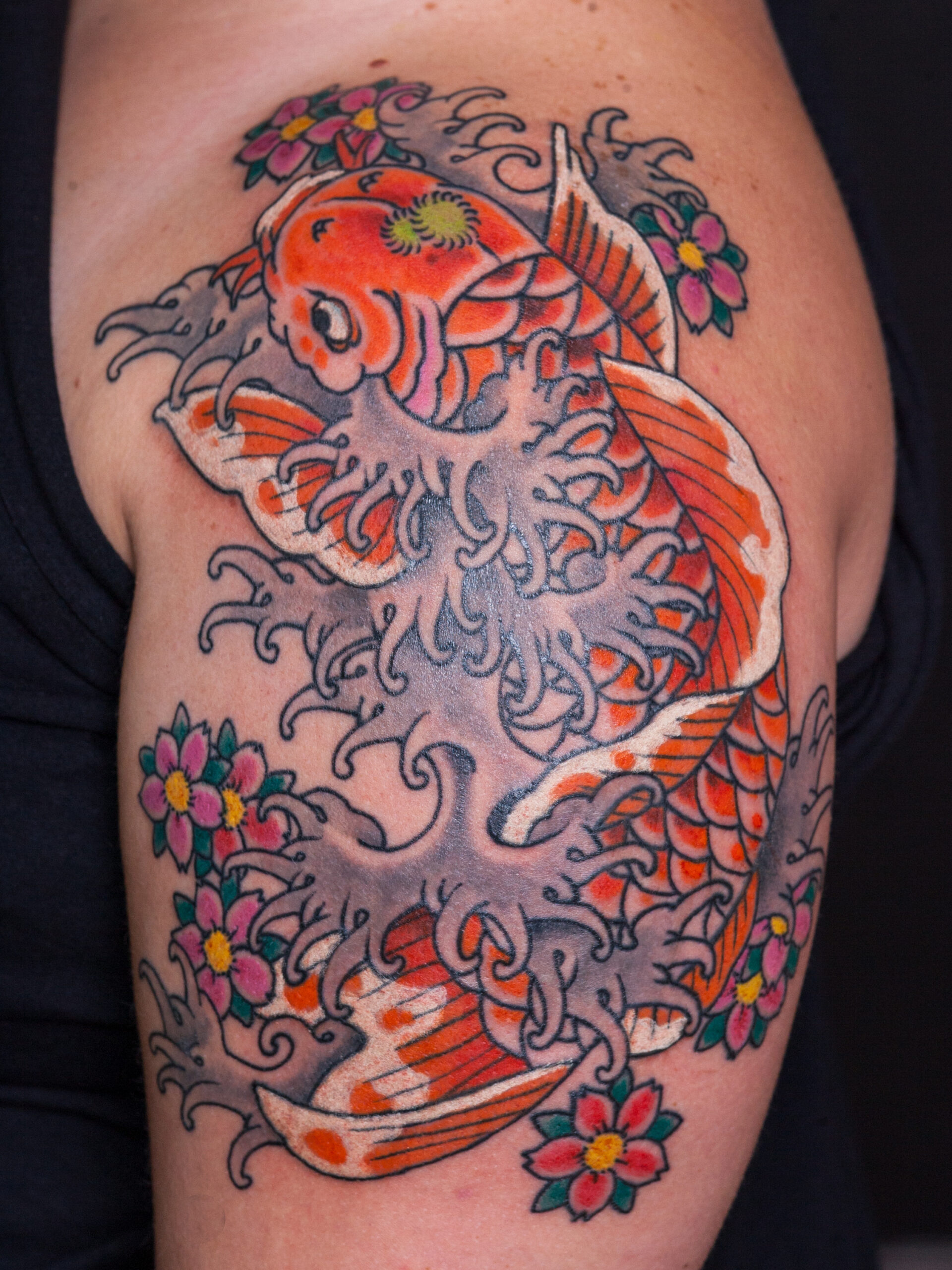
Traditional tattoos have a distinct and recognizable look. Bold, heavy black outlines anchor the design and give it structure. Strong, saturated colors fill each shape intentionally and without hesitation. Rather than soft gradients or airbrushed shading, the style relies on flat color and minimal shading, creating a graphic and iconic appearance.
Classic imagery plays a major role. Eagles, roses, daggers, ships, swallows, panthers — these designs weren’t chosen at random. Each image carried meaning tied to life experience, travel, loyalty, strength, love, and survival. This visual language developed through decades of flash sheets and hands-on experience, refined by artists like Sailor Jerry who understood what actually lasts on skin.
Those so-called “rules” never existed to limit creativity. Tattooers developed them through trial, error, and experience. Human skin stretches, shifts, and ages. Traditional tattooing accounts for that reality. When you see a traditional tattoo that’s fifty or sixty years old and still reads clearly, that result comes from disciplined design — not luck.
Built to Last on Skin
Longevity remains one of the biggest reasons traditional tattooing continues to thrive in St. Louis. The local climate isn’t gentle on skin. Hot summers, cold winters, and constant seasonal changes all take their toll. Traditional tattoos hold their shape through it all. Bold lines resist blurring. Solid color ages with dignity instead of fading into nothing.
Fine, wispy designs can lose clarity over time. Traditional tattoos don’t. They were built to endure, not just to look good in fresh photos.
Why Traditional Tattoos Never Feel Outdated
Longevity isn’t the only draw. Traditional tattoos feel timeless in a way few styles do. They don’t chase trends or reflect momentary aesthetics. They looked strong a hundred years ago, and they still look strong today.
The same imagery appears on grandparents, parents, and twenty-somethings alike — and it works for all of them. Traditional tattooing bridges generations without constantly reinventing itself.
Visual impact plays a big role in that staying power. These tattoos read clearly from across the room. They announce themselves without being loud. They work across a wide range of skin tones and body types. The strength comes from composition and restraint, not excessive detail. When done well, traditional tattoos feel confident and honest, which resonates with people who value tattooing as a craft rather than decoration.
History, Meaning, and Personal Connection
Traditional imagery carries history within it. A dagger represents more than steel. A ship stands for more than travel. These designs emerged from working-class life, migration, love, grief, survival, and identity. Wearing them connects you to the lineage of tattooing itself.
At Ragtime, we approach traditional tattoos with respect for that history while still grounding each piece in the client’s story. The imagery remains classic, but the meaning belongs to the person wearing it.
Design Diversity and Building a Collection
Another reason traditional tattooing stays strong lies in how naturally it builds into a collection. One tattoo never has to be the final statement. You can start with a rose or swallow and later add a panther, eagle, dagger, or anchor. Everything still feels cohesive.
Traditional tattoos communicate with each other. They leave room for growth and evolution. Instead of isolated images, they create a unified body of work.
Here in St. Louis, certain designs continue to resonate because they simply work on skin. Eagles represent strength and pride. Roses symbolize love, memory, beauty, and loss. Daggers and swords speak to resilience and protection. Nautical imagery reflects loyalty, travel, and homecoming. Panthers carry mid-century power that never lost relevance. Skulls remind us that life is finite — which is exactly why we mark it.
When we build these pieces at Ragtime, we stay grounded in classic structure while shaping the design around the person wearing it.
Traditional vs. Neo-Traditional Tattoos
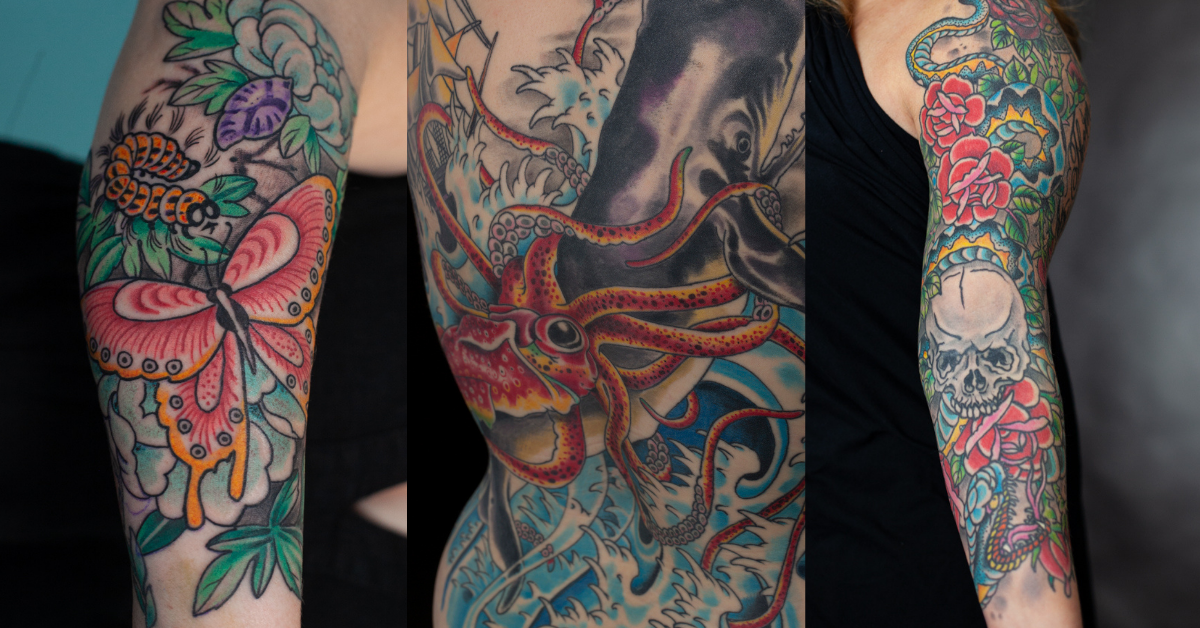
Many clients want to understand the difference between traditional and neo-traditional tattooing. Both share the same foundation, but neo-traditional expands on it. More shading, more rendering, broader color palettes, and added ornamental detail define neo-traditional work.
Traditional tattooing stays bold, flat, limited, and confident. Neither approach is better or worse. The choice depends on how you want your tattoo — and your overall collection — to feel. Some people intentionally mix both styles, and when planned well, the result looks cohesive and intentional.
Healing Your American Traditional Tattoo
Caring for a traditional tattoo follows the same process as any tattoo. Keep it clean, follow aftercare instructions, and protect it from sun exposure. The difference shows up over time. Traditional tattoos typically age more gracefully because of their construction.
Bold lines and solid color hold up better than fragile detail. Touch-ups become less common, not because care doesn’t matter, but because the style already prioritizes durability.
Finding a Traditional Tattoo Artist in St. Louis
If you’re searching for a traditional tattoo artist in St. Louis, the portfolio tells you everything. Look for strong linework, solid saturation, and tattoos that respect the style rather than loosely imitating it.
Traditional tattooing may look simple at first glance, but it demands discipline and respect for the craft. At Ragtime, our artists carry that responsibility every time we pick up a machine. Located in South St. Louis, we work with clients across the metro area who want tattoos that hold meaning and age with integrity.
Conclusion
Traditional tattooing has stood the test of more than a century because it was built on principles that actually work — clarity, strength, honesty, and longevity. If you want a tattoo that will still make sense on your body twenty or thirty years from now, something bold and timeless that feels like it belongs in the lineage of tattooing, traditional is a powerful place to start. Whether you’re getting your first piece or adding to a long-built collection, we’d be honored to help you shape something that feels true to who you are. When you’re ready to talk about ideas, book a traditional tattoo consultation at Ragtime. We’ll sit down, listen, look at possibilities, and design something that respects the tradition — and belongs entirely to you.
Ready for your next tattoo?
Our goal is to reply as soon as possible. On weekends, we may follow up on the first business of the week.
Ragtime Tattoo Shop
Located at 3144 Morganford Rd. St. Louis, Missouri
Stay updated with our latest work and what’s happening in the shop.